15 Art Storage Ideas to Keep Your Supplies Neat and Ready
Discover 15 brilliant art storage ideas to organize your creative supplies efficiently. Transform chaos into order with practical solutions.
Have you ever found yourself digging through piles of paintbrushes, searching for that perfect shade of acrylic paint, or untangling a mess of pencils right when inspiration strikes? Every artist knows the struggle of maintaining an organized workspace while juggling countless supplies, tools, and materials. A cluttered studio can seriously dampen your creative flow and waste precious time that could be spent actually creating. Whether you're a professional artist with an extensive collection or a hobbyist just starting your creative journey, having smart storage solutions can completely transform your artistic experience. Think of your art supplies as ingredients in a chef's kitchen. When everything has its place and you can find what you need instantly, your productivity soars and stress levels plummet.
1. Wall-Mounted Pegboard Systems for Maximum Versatility
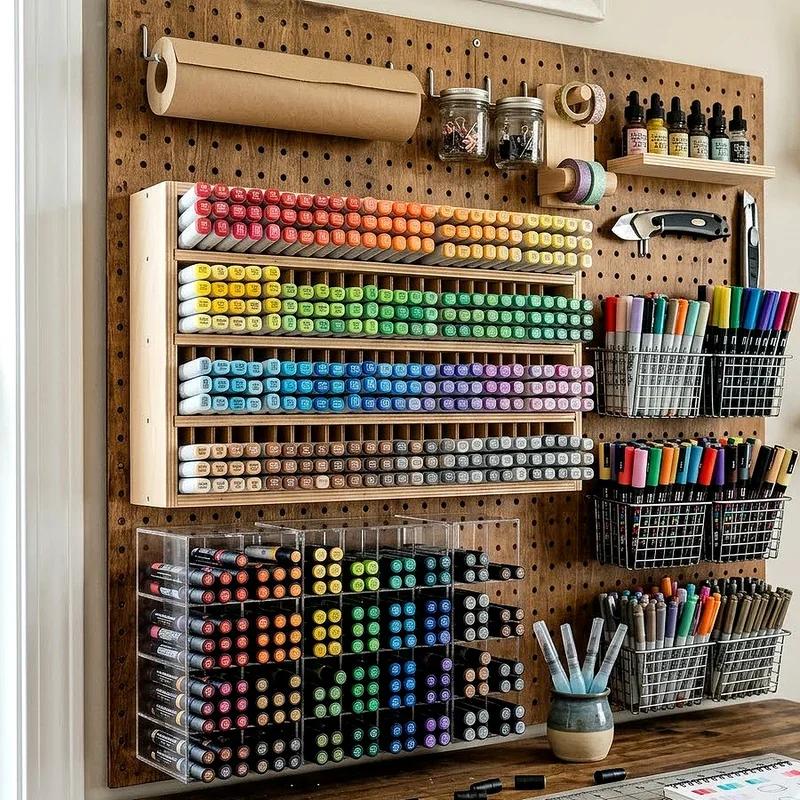
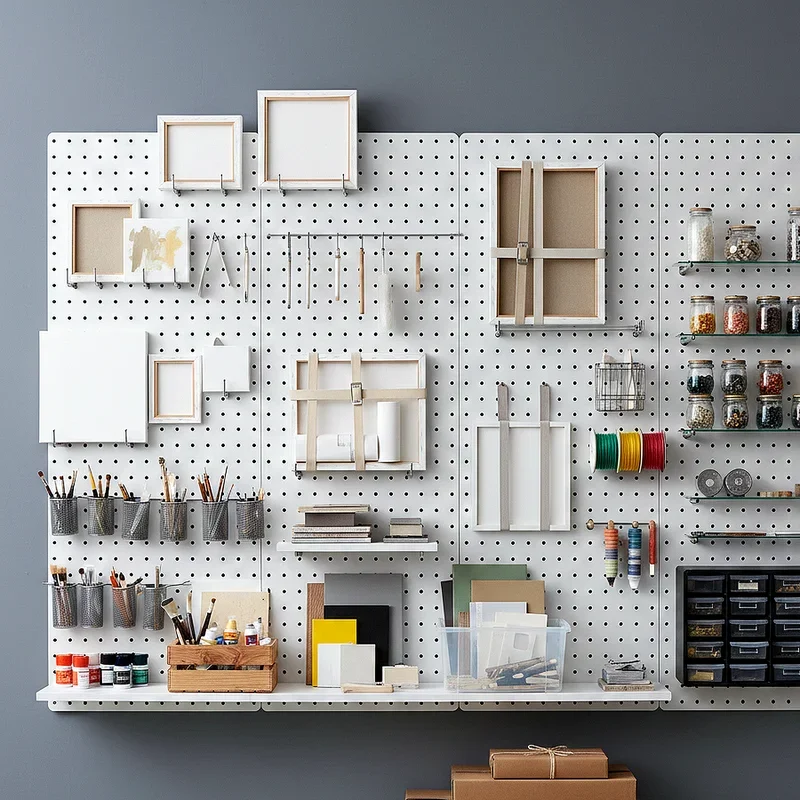
Wall-mounted pegboard systems represent one of the most adaptable storage solutions available for artists seeking ultimate flexibility in their creative spaces. These perforated boards allow you to customize your storage layout using various hooks, baskets, and shelves that can be repositioned whenever your needs change or evolve. You can hang scissors, rulers, tape dispensers, and even small containers filled with supplies right where you can see them clearly. The vertical storage approach saves valuable desk and floor space while keeping everything within arm's reach during your creative sessions. Installing a pegboard above your work station creates an efficient command center that adapts as your collection grows over time. You can paint the pegboard to match your studio aesthetic, turning functional storage into decorative wall art that inspires creativity daily.
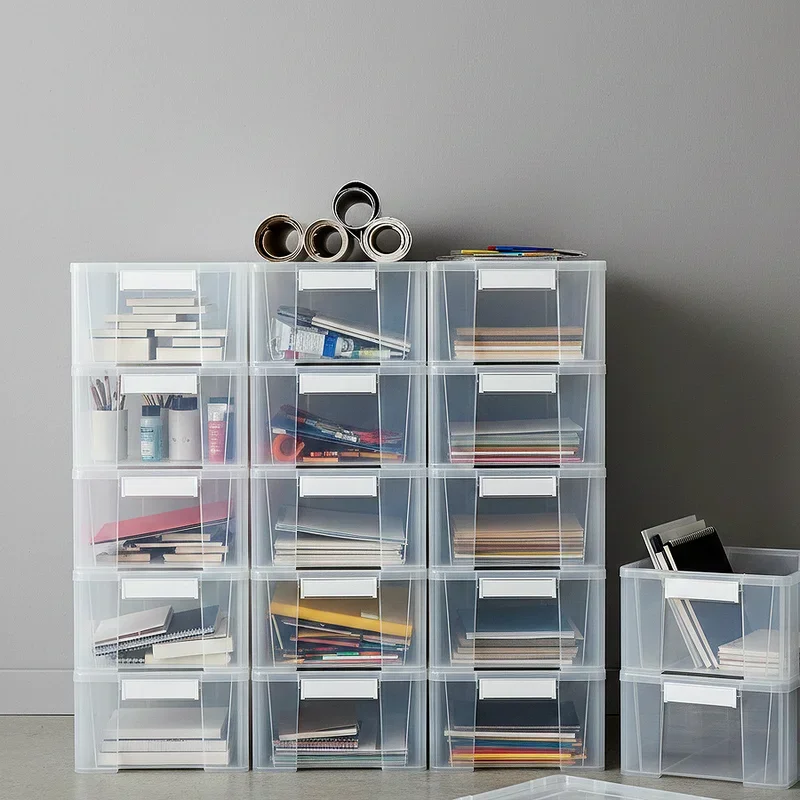
2. Clear Plastic Drawer Units for Easy Visibility
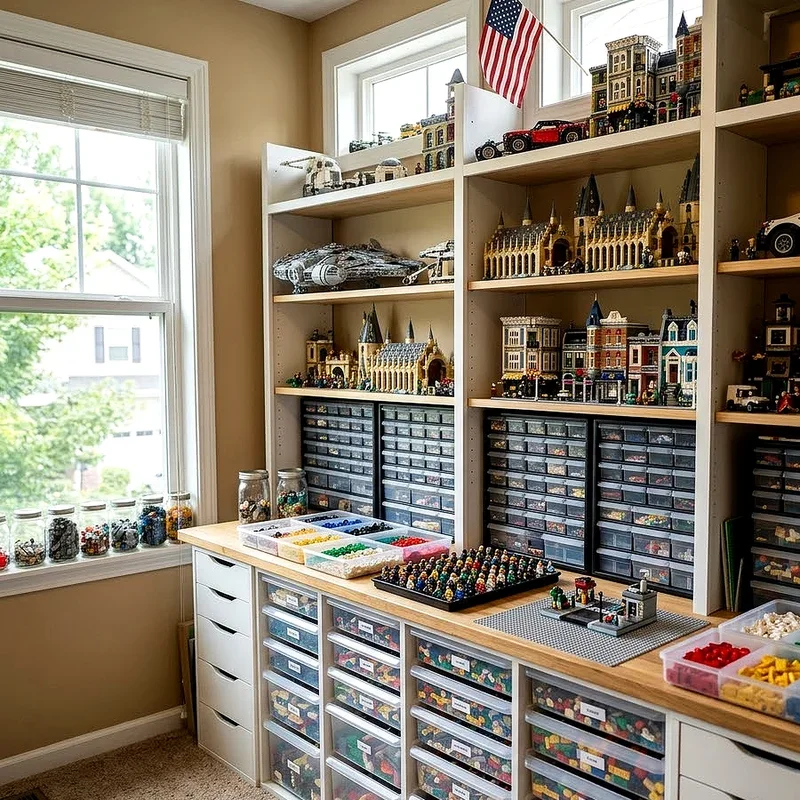
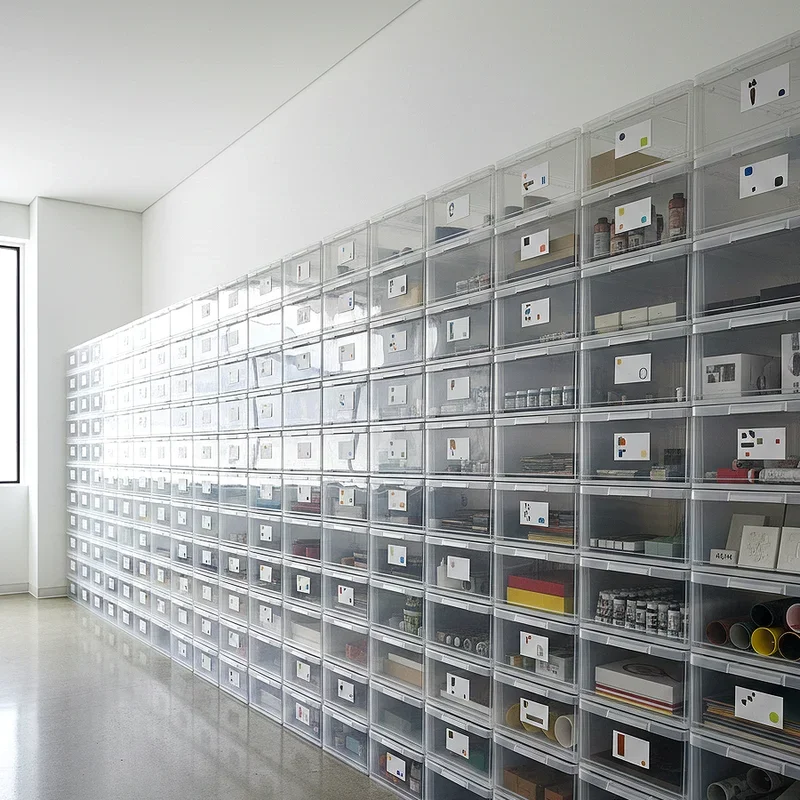
Clear plastic drawer units solve the frustrating problem of forgetting what supplies you actually own because they're hidden away in opaque containers or boxes. These transparent storage systems let you instantly identify contents without opening every single drawer during your creative sessions, saving valuable time and energy. You can dedicate different drawers to specific categories like markers, pastels, charcoal, or collage materials, creating a systematic approach to organization that makes sense. The stackable nature of these units means you can start small and expand your storage capacity as your collection grows over the years. Labeling each drawer adds another layer of organization that helps family members or studio mates respect your carefully designed system. These units typically come in various sizes, from small desktop versions perfect for tiny supplies to larger floor-standing options for substantial collections.
3. Rolling Carts for Mobile Art Supply Access
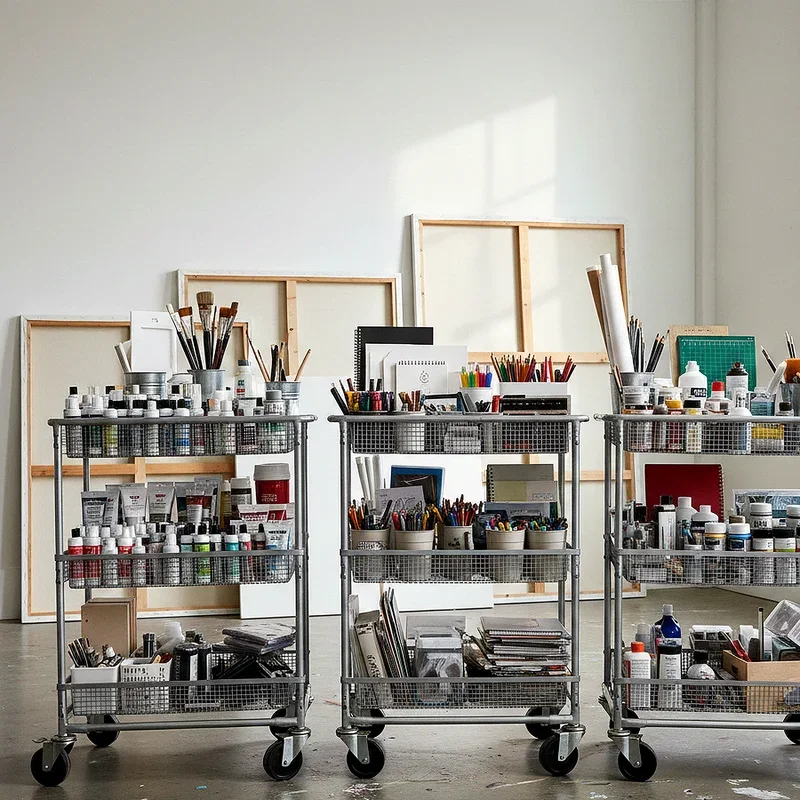
Rolling carts have become increasingly popular among artists who value flexibility and mobility in their creative spaces throughout the day. These wheeled storage solutions allow you to transport supplies between different work areas, whether you're moving from your studio to outdoor locations or simply repositioning furniture. The multi-tiered design provides ample storage across several levels, letting you separate supplies by type, project, or frequency of use effectively. Many artists appreciate the ability to roll their cart into a closet or corner when not in use, maintaining a clean aesthetic in rooms. The open design makes accessing supplies effortless, eliminating the need to open drawers or cabinets when you're in the creative zone completely. Metal carts offer durability and can handle heavier supplies, while plastic versions provide lighter weight options for easy movement around your workspace.
4. Mason Jar Storage for Small Items Organization
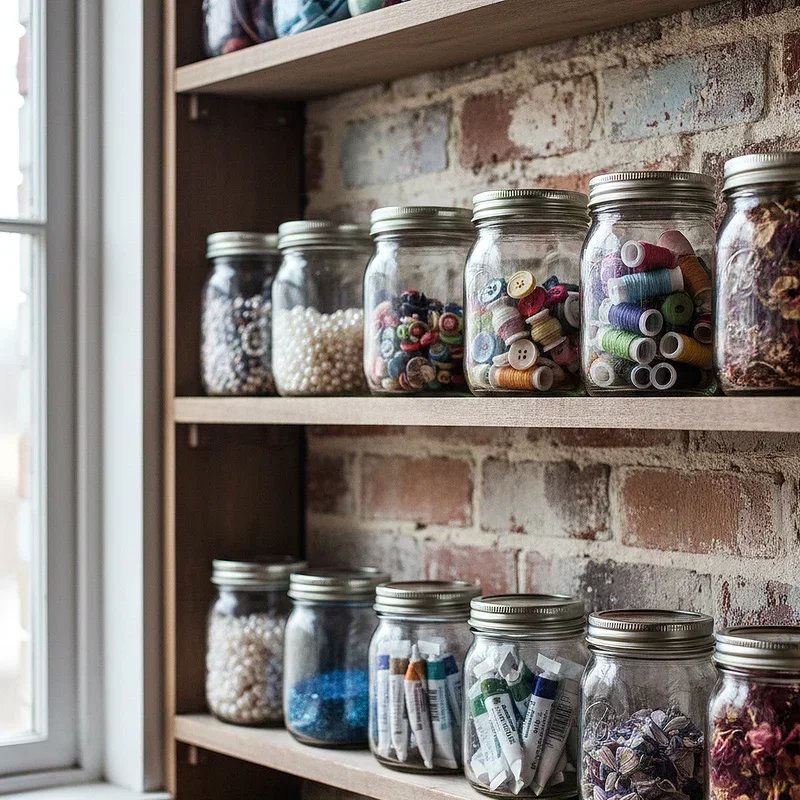
Mason jars offer an affordable, charming, and incredibly practical solution for storing countless small art supplies that tend to scatter everywhere throughout your workspace. These glass containers work beautifully for organizing buttons, beads, paper clips, pushpins, and other tiny items that can easily disappear into clutter or get lost. The transparent nature of glass lets you see exactly what's inside each jar without searching through multiple containers unnecessarily or wasting precious time. You can arrange jars on shelves, windowsills, or even mount them under cabinets using specialized lids for a unique overhead storage system that maximizes space. Many artists enjoy decorating jar lids with chalkboard paint to create erasable labels that can change as contents shift over time naturally. The airtight seal of proper mason jars also protects materials from humidity and dust effectively.
5. Magnetic Strips for Metal Tool Management
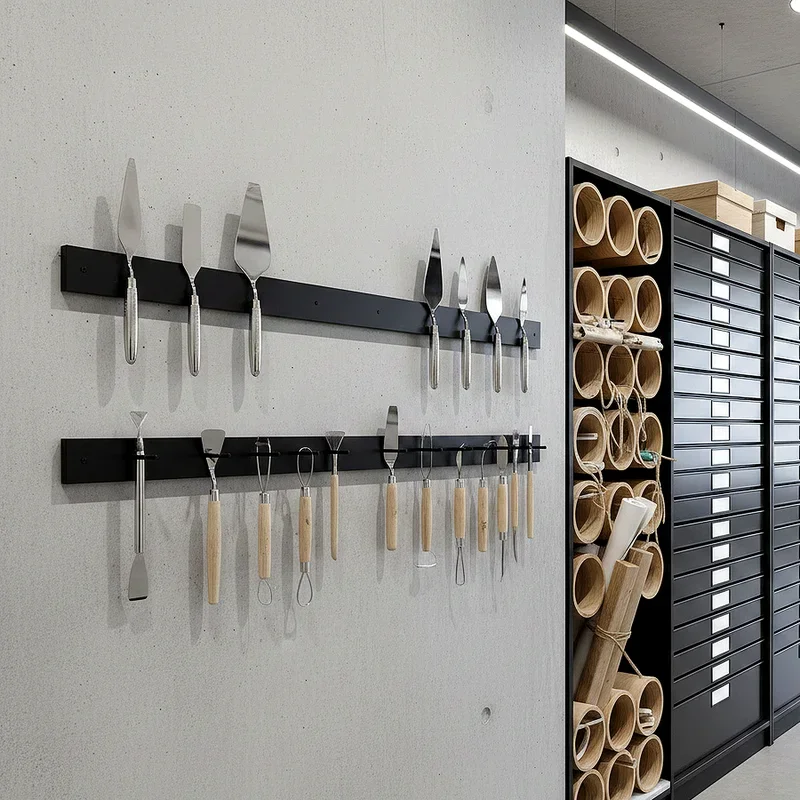
Magnetic strips provide an ingenious solution for storing metal tools like scissors, craft knives, tweezers, and metal rulers in plain sight always. These strips can be mounted on walls, the sides of cabinets, or even underneath shelves to maximize unused vertical space throughout your entire studio. The magnetic hold keeps tools secure yet easily removable with one hand, speeding up your workflow when switching between different implements during projects. This storage method particularly benefits artists who use precision tools regularly and need them immediately accessible without fumbling through drawers or containers endlessly. The visual display of your tools also serves as a quick inventory check, making it obvious when something needs to be cleaned or replaced. Installation typically requires just adhesive backing or simple screws, making this an accessible DIY project for anyone with basic skills and tools available.
6. Tiered Lazy Susans for Paint and Bottle Storage
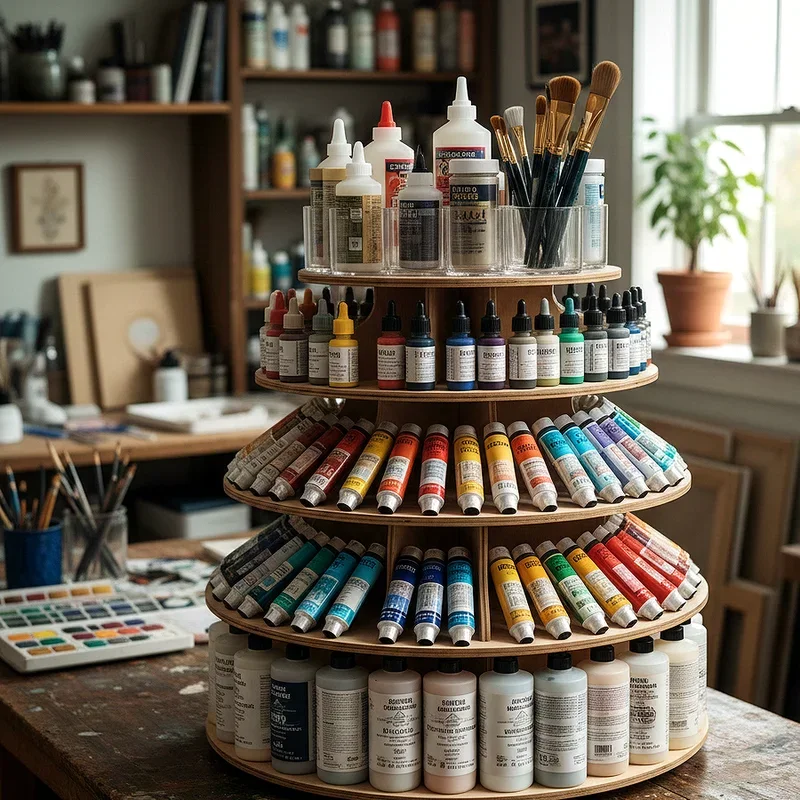
Tiered lazy susans transform frustrating supply searches into effortless spinning motions that bring every item within reach instantly without any hassle. These rotating platforms work exceptionally well for storing bottles of paint, glue, varnish, and other liquid supplies that can become difficult to access when stored traditionally. The spinning mechanism eliminates the need to move front items to reach bottles hiding in the back, saving time and preventing accidental spills completely. Multiple tiers maximize vertical space while keeping a relatively small footprint on your work surface or storage shelf effectively and efficiently. Many artists use these organizers inside cabinets where the spinning function proves even more valuable in tight spaces that need smart solutions. The raised edges on quality lazy susans prevent items from sliding off during rotation, protecting your precious and often expensive supplies from damage.
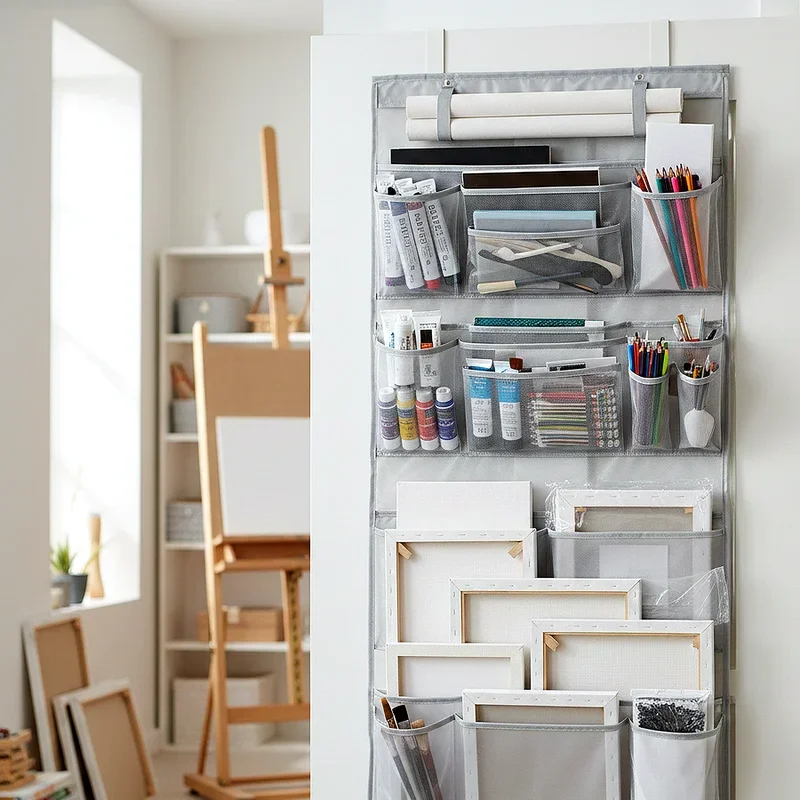
7. Over-the-Door Organizers for Space Efficiency
Over-the-door organizers capitalize on frequently overlooked vertical space, turning the back of any door into valuable storage real estate for your supplies. These hanging systems typically feature multiple pockets or compartments perfect for storing everything from sketchbooks and paper pads to tubes of paint and packages. The installation requires no tools or permanent fixtures, making this ideal for renters or artists who frequently rearrange their spaces to suit different needs. Clear pocket versions let you see contents immediately, while fabric options provide a softer aesthetic that complements various decor styles beautifully and naturally. The accessibility of door-mounted storage means supplies remain convenient without cluttering your primary work surfaces or shelving units unnecessarily throughout the room. Many organizers include pockets of varying sizes to accommodate different supply dimensions perfectly for maximum versatility and functionality.
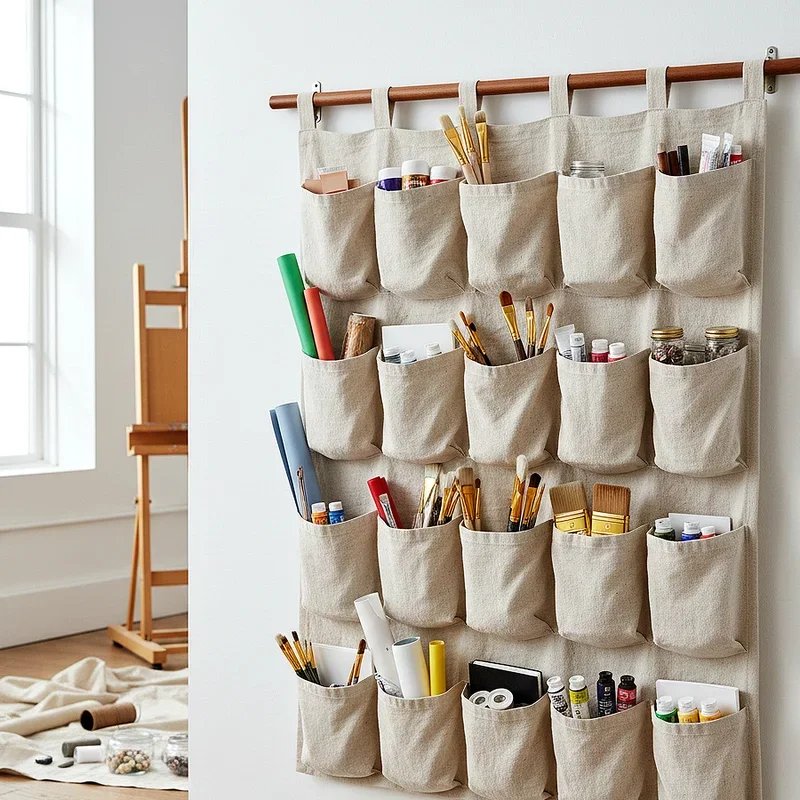
8. Hanging Fabric Pockets for Lightweight Supplies
Hanging fabric pocket organizers offer a soft, flexible storage alternative that works beautifully for lightweight supplies like paper, fabric scraps, ribbons, and various tools. These systems typically hang from rods, hooks, or over doors, providing easily accessible storage that can be repositioned as your needs evolve over time. The fabric construction prevents delicate items from getting scratched or damaged, unlike hard plastic bins that might crack or sharp metal edges that could harm. Many artists appreciate the variety of sizes available in pocket organizers, allowing them to dedicate specific pockets to particular supply categories for intuitive organization systems. The collapsible nature of fabric storage means you can fold it away when not needed or when traveling to workshops and classes regularly. Some versions feature clear vinyl windows that combine visibility with protection effectively and efficiently for your materials.
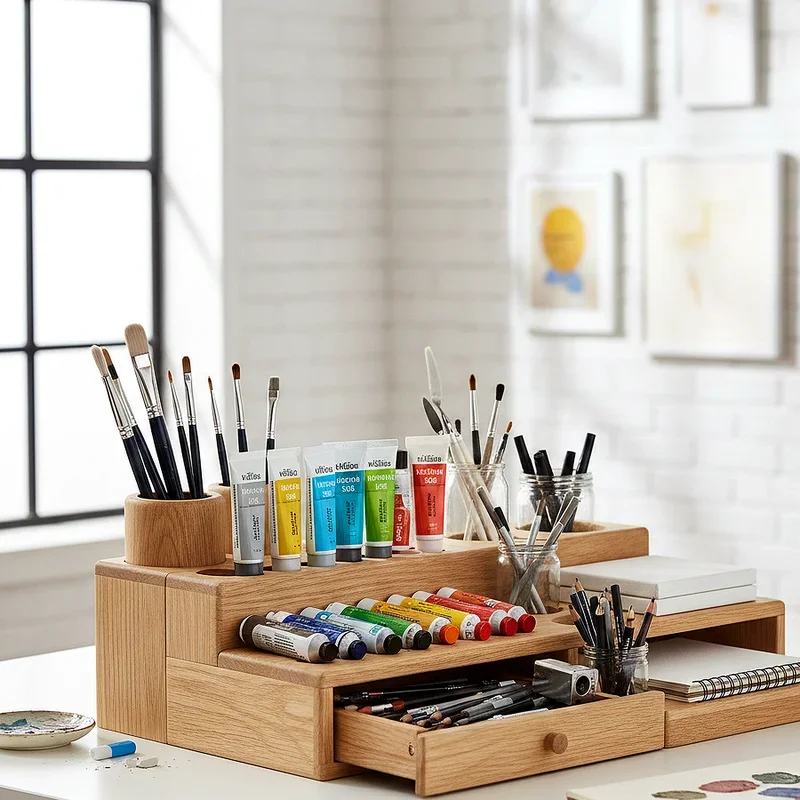
9. Desktop Caddy Systems for Frequently Used Items
Desktop caddy systems keep your most-used supplies right at your fingertips, eliminating the constant reaching and searching that disrupts creative flow during important projects. These organizers typically feature multiple compartments designed for pens, pencils, brushes, erasers, and other tools you grab dozens of times during each working session. The compact footprint means you can position a caddy directly beside your work area without sacrificing precious workspace real estate for other essential items. Rotating caddies add another dimension of convenience, letting you spin the entire organizer to access different compartments without stretching or standing up constantly. Many modern caddies include specialized features like slots for phones or tablets, areas for sticky notes, and even built-in pencil sharpeners for added functionality. The visual presence of your favorite tools in a desktop caddy also serves as creative inspiration daily.
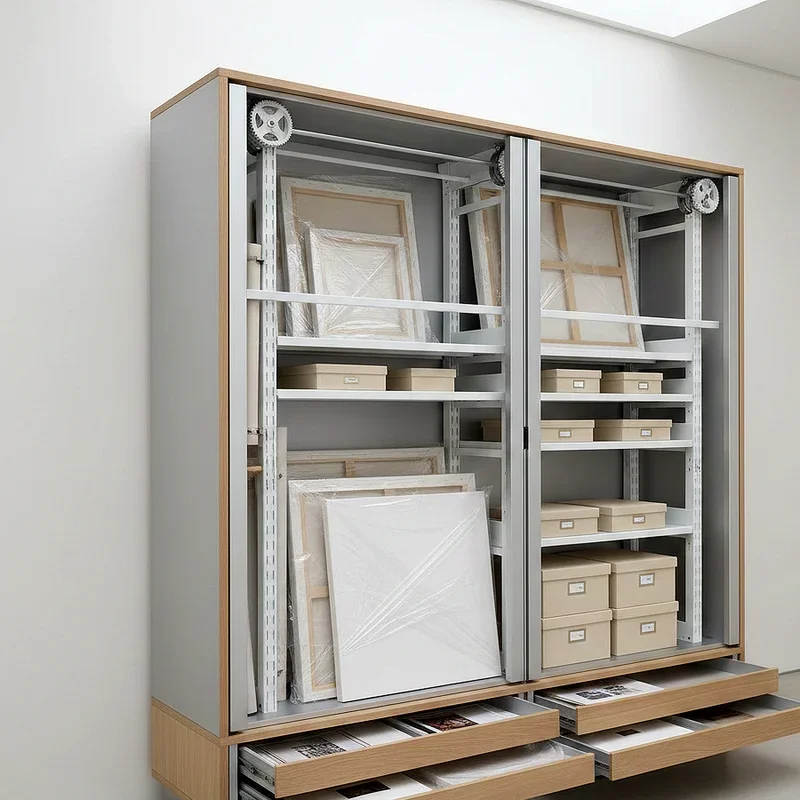
10. Cabinet with Adjustable Shelving for Flexibility
Cabinets with adjustable shelving provide enclosed storage that protects supplies from dust, sunlight, and curious pets while offering customization for items of varying heights. The ability to reposition shelves means you can accommodate everything from tall spray bottles to flat paper stacks within the same storage unit easily. Enclosed cabinets create a cleaner visual appearance in shared living spaces, letting you close doors on creative chaos when guests arrive unexpectedly at your home. Many artists appreciate having some supplies hidden away, finding that too much visual clutter can actually inhibit rather than inspire creativity and focus effectively. The doors also provide additional organizational opportunities, with interior mounting options for hooks, magnetic strips, or small baskets for maximum efficiency. Quality cabinets often include drawers at the bottom for flat storage of papers, canvases, or finished works awaiting framing and display.
11. Stackable Plastic Bins with Label Systems
Stackable plastic bins with comprehensive label systems create a practical archive for supplies you need regularly but not necessarily for every single creative project. These containers protect contents from environmental factors while their uniform sizes make efficient use of closet floors, shelves, or under-bed spaces throughout your home. The stackability feature means you can build your storage vertically, maximizing space in studios with limited square footage but adequate ceiling height for expansion. Clear bins offer visibility, while opaque versions hide clutter if your storage area remains visible in your living space or shared rooms naturally. Investing in quality bins with secure lids prevents frustrating spills and keeps everything contained during moves or reorganization projects you undertake regularly. The labeling system proves crucial for this storage method, as you'll want to identify contents without unstacking multiple bins unnecessarily during busy creative sessions.
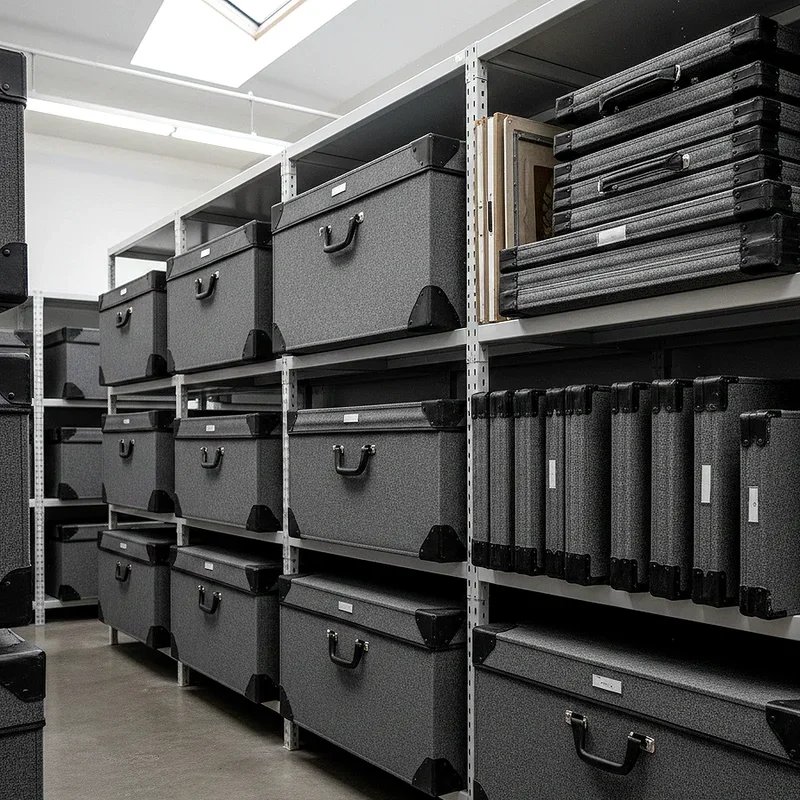
12. Portfolio Cases for Paper and Canvas Storage
Portfolio cases provide specialized storage designed specifically for protecting flat artwork, papers, canvases, and other delicate two-dimensional supplies from damage and wear. These cases typically feature rigid exteriors that prevent bending or crushing, which can ruin expensive watercolor paper or finished artwork awaiting delivery to clients. The flat storage orientation prevents warping that can occur when papers lean against walls or stack unevenly on shelves over extended time periods. Many portfolio cases include interior dividers or sleeves that separate different paper types, preventing transfer of materials or accidental damage from items rubbing together constantly. The handles and sometimes shoulder straps make these cases portable, perfect for artists who teach, attend workshops, or sell at markets and shows regularly throughout the year. Archival-quality versions use acid-free materials that won't degrade precious artwork or valuable papers over the years.
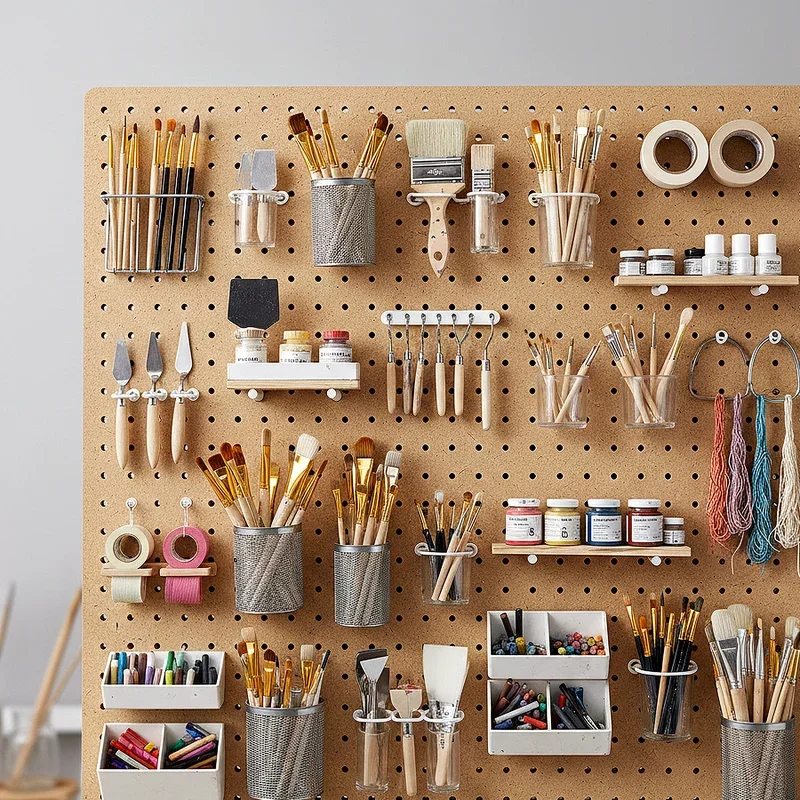
13. Pegboard Tool Holders for Brushes and Utensils
Pegboard tool holders specifically designed for brushes and utensils offer specialized storage that keeps these essential implements organized and easily accessible during creative work. Unlike generic pegboard hooks, these holders often feature angled slots or cups that position brushes bristle-up, protecting their shape and preventing damage effectively. The visibility of this storage method means you can instantly identify the exact brush you need without sorting through mixed containers or drawers endlessly. Many artists find that seeing their brush collection displayed prominently actually inspires technique experimentation and reminds them of tools they might otherwise forget completely. The pegboard system allows you to group brushes by type, size, or frequency of use, creating an intuitive organization scheme that speeds up processes. The open-air storage also permits brushes to dry thoroughly after cleaning, preventing mildew or damage that can occur in enclosed containers.
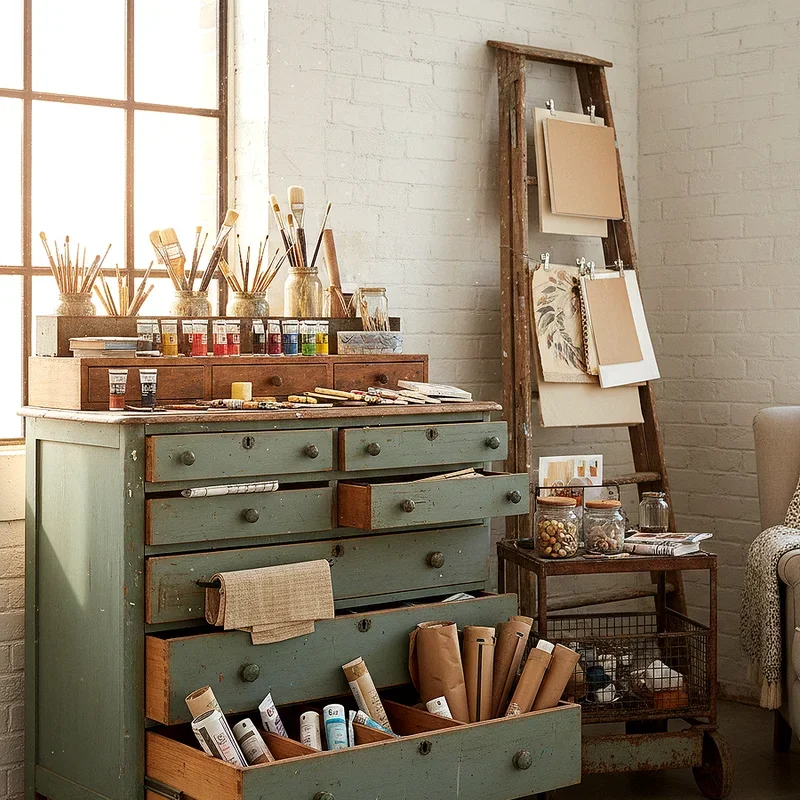
14. Repurposed Furniture for Creative Storage Solutions
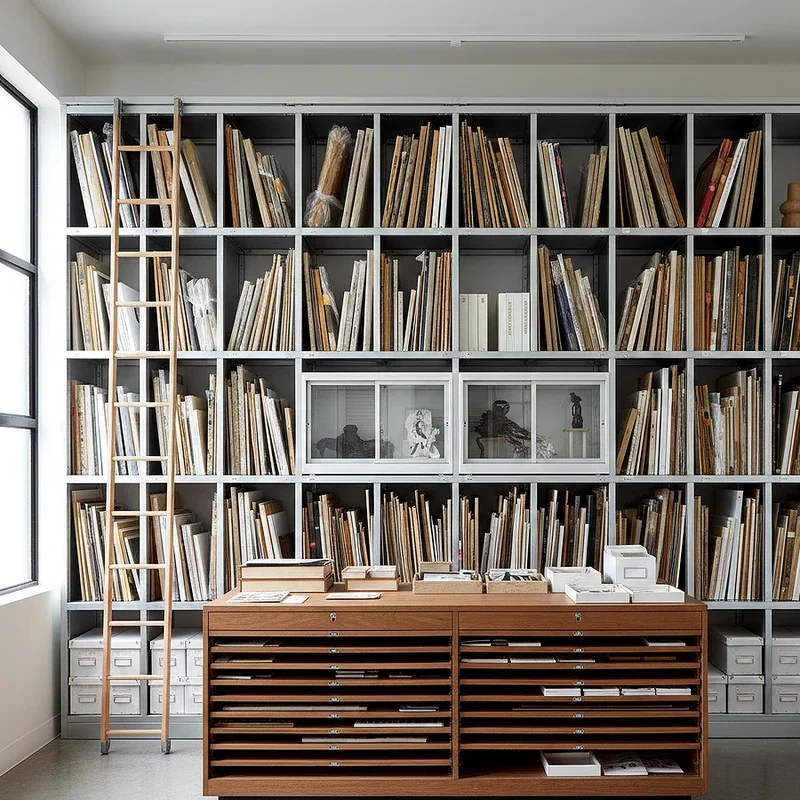
Repurposed furniture offers unique, characterful storage solutions while providing an eco-friendly alternative to purchasing new organizational systems for your creative space and supplies. Old dressers, filing cabinets, apothecary chests, and printer's trays can be transformed into perfect art supply storage with minimal modification or professional help needed. The varied drawer sizes in vintage pieces often accommodate different supply categories naturally, from small drawers for tiny findings to large drawers for substantial items. This approach lets you create a one-of-a-kind studio aesthetic that reflects your personal style while solving practical storage challenges creatively and affordably. Many artists enjoy the treasure hunt aspect of finding perfect pieces at thrift stores, estate sales, or curbside giveaways throughout their local communities. A fresh coat of paint or new hardware can completely transform dated furniture into stunning storage that becomes a beautiful focal point.
15. Modular Cube Storage for Customizable Organization
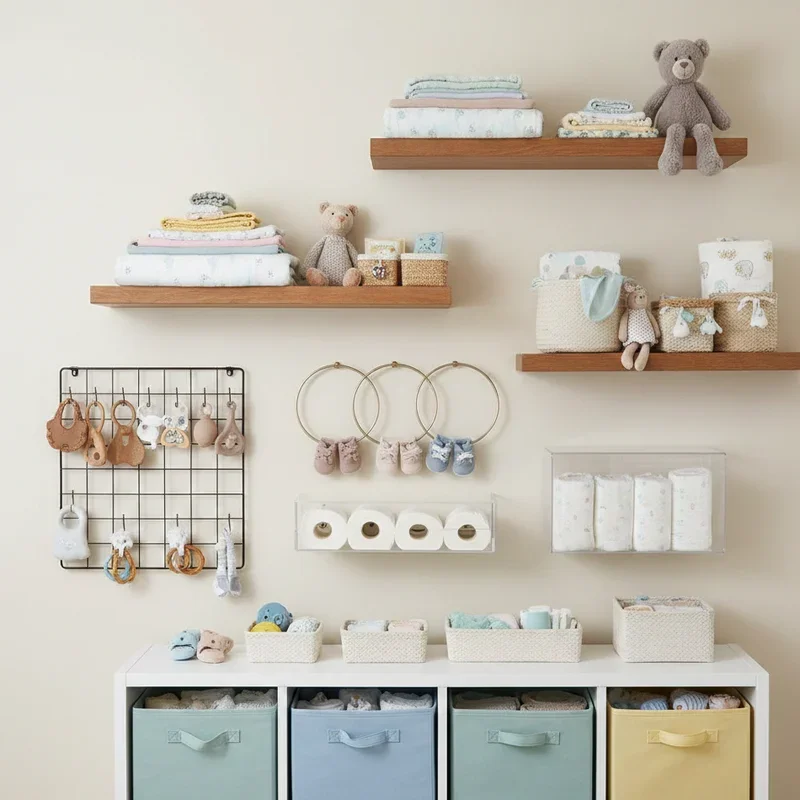
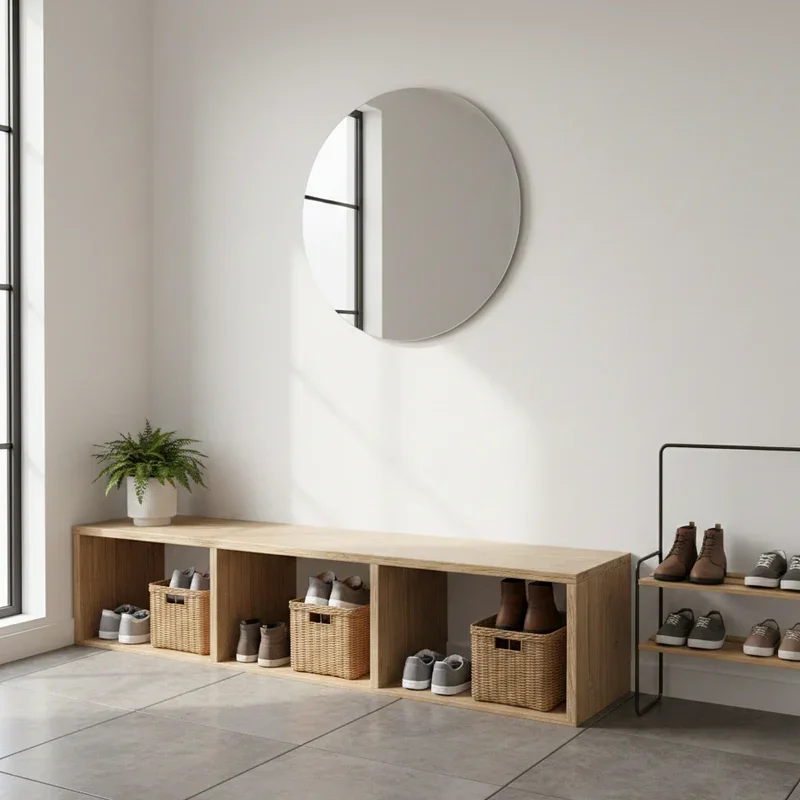
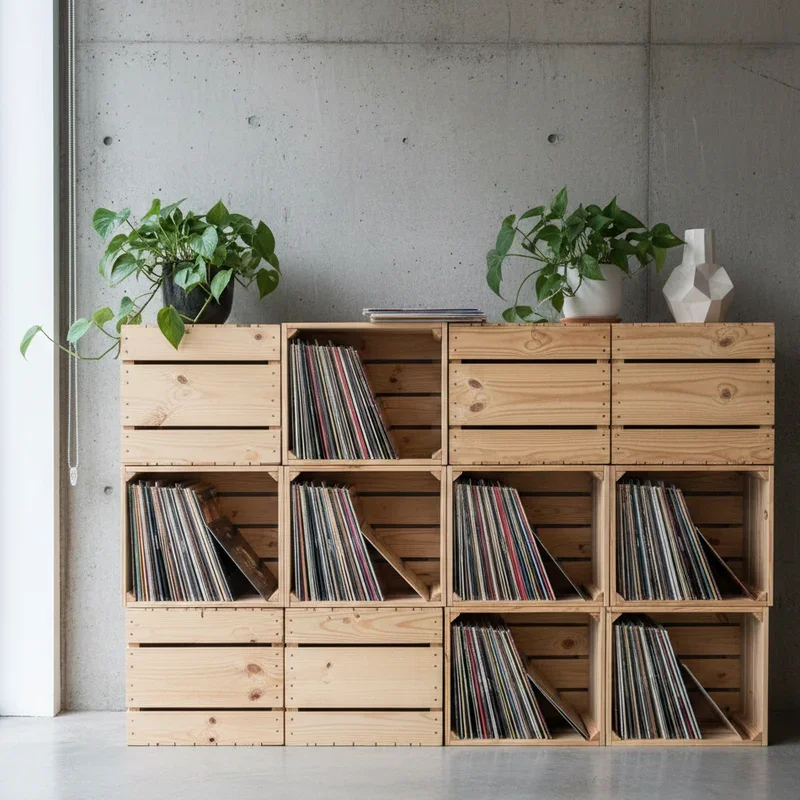
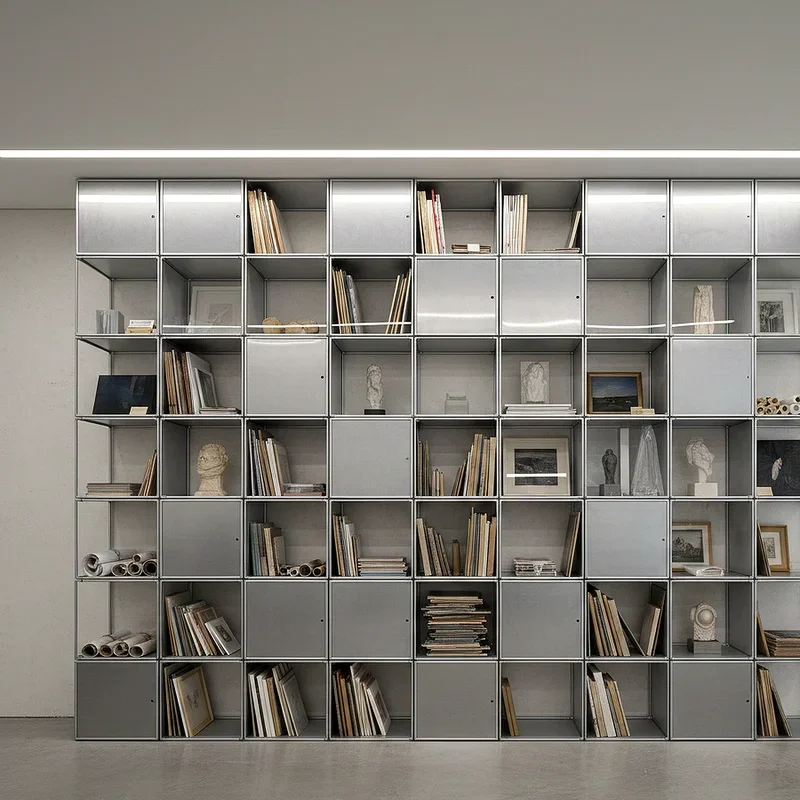
Modular cube storage systems provide ultimate flexibility through mix-and-match components that can be arranged and rearranged to suit changing needs perfectly over time. These units typically consist of individual cube-shaped modules that stack or connect side-by-side, letting you build storage that fits your specific space constraints exactly. You can add fabric bins, baskets, drawers, or leave cubes open depending on what you're storing in each section for maximum versatility and functionality. The modular nature means you can start with a small configuration and expand over time as your collection grows or your budget allows more. Many systems offer various finishes and colors, letting you coordinate storage with your existing decor or create intentional contrasts for visual interest daily. The uniform cube size creates visual harmony even when storing wildly different supply types, maintaining an organized appearance that feels intentional rather than chaotic always.
Conclusion
Creating an organized art space doesn't require expensive renovations or complicated systems that take weeks to implement successfully in your home. By thoughtfully selecting storage solutions that match your specific supplies, space constraints, and working style, you'll transform creative chaos into inspiring order quickly. Remember that the best storage system is one you'll actually use consistently, so choose options that feel intuitive and accessible for your personal workflow always. Start with the areas causing the most frustration, implementing one or two solutions before expanding to other problem zones gradually over time. Your organized space will reward you with increased productivity, reduced stress, and more time actually creating instead of searching endlessly.
Read next: 15 Clever Ribbon Storage Ideas to Organize
Frequently Asked Questions
Q1: What is the most budget-friendly art storage solution?
A: Mason jars and repurposed containers offer excellent organization without spending much money at all.
Q2: How can I organize art supplies in a small apartment?
A: Use vertical storage like pegboards, over-door organizers, and wall-mounted shelves to maximize limited space.
Q3: What is the best way to store paintbrushes?
A: Store brushes bristle-up in holders or hanging systems to maintain their shape and longevity.
Q4: How do I prevent art supplies from getting dusty?
A: Use enclosed storage like cabinets, clear bins with lids, or drawer units for protection.
Q5: Can I use regular furniture for art supply storage?
A: Absolutely, repurposed dressers, cabinets, and shelving work wonderfully for organizing creative materials efficiently.
Stay up to date with our latest ideas!