How to Organize a Medicine Cabinet: Simple Steps to Try
Discover practical tips for organizing your medicine cabinet efficiently. Learn storage hacks, safety measures, and maintenance strategies today.
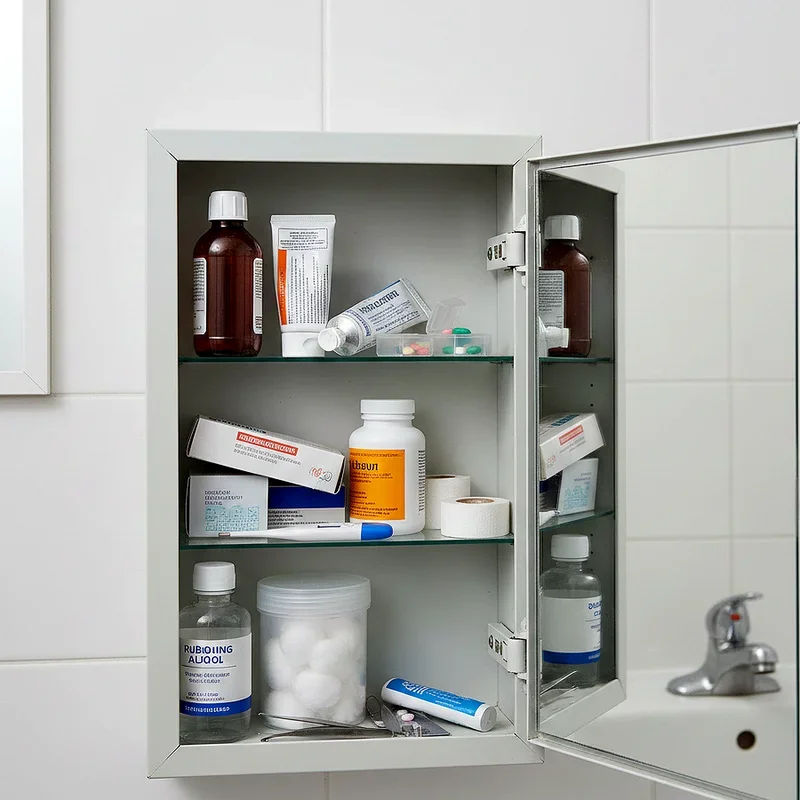
Let's face it, most of us have opened our medicine cabinet at some point only to be greeted by a chaotic jumble of expired medications, random band-aids, and that mystery ointment we can't quite remember purchasing. Sound familiar? Well, you're definitely not alone in this struggle. A disorganized medicine cabinet isn't just an eyesore, it can actually be downright dangerous when you're frantically searching for the right medication during an emergency. The good news? Transforming your cluttered cabinet into a well-organized health station is easier than you might think. Throughout this guide, we'll walk you through simple, actionable steps that'll help you create a system that actually works for your household.
Why Medicine Cabinet Organization Really Matters
Before diving into the nitty-gritty details, it's worth understanding why this task deserves your attention. A well-organized medicine cabinet serves multiple purposes beyond just looking neat. First off, it significantly reduces the risk of medication errors. When everything has its designated spot, you're less likely to grab the wrong bottle in a moment of urgency or sleepiness. Additionally, proper organization helps you keep track of expiration dates, preventing you from unknowingly using ineffective or potentially harmful expired products. From a practical standpoint, you'll save both time and money by knowing exactly what you have on hand, which means no more buying duplicate items you already own. Plus, when your cabinet is organized, you can respond faster during emergencies, whether that's treating a sudden headache or addressing a minor cut. Bottom line? A few hours spent organizing can literally make a difference in your family's health and safety.
Step One: Empty Everything Out Completely
Alright, here's where the real work begins. You've got to start with a clean slate, which means removing absolutely everything from your medicine cabinet. Yep, everything. Take out all the bottles, boxes, tubes, and random cotton swabs that have been living in there. This might seem overwhelming at first, especially if you haven't cleaned out your cabinet in years, but trust the process. Lay everything out on a clean towel or your bathroom counter where you can see it all clearly. This step serves two important purposes. First, it gives you a complete inventory of what you actually have. You might be surprised to discover medications you'd forgotten about or multiples of the same product. Second, it allows you to thoroughly clean the cabinet itself. Use a disinfecting cleaner to wipe down all the shelves, corners, and doors. Those sticky residue spots from old spills? Now's your chance to tackle them properly. A clean foundation makes organizing so much easier and more pleasant.
Sort Through and Purge Expired Items
Now comes the crucial part where you'll need to make some tough decisions. Start checking expiration dates on every single item you've pulled out. Be ruthless here, folks. Expired medications aren't just ineffective, they can potentially be harmful. Most prescription medications have expiration dates clearly printed on the label, but over-the-counter products might require a bit more detective work. If something doesn't have a visible date or you can't remember when you bought it, it's probably best to err on the side of caution and toss it. Create separate piles as you go through everything: keep, toss, and donate. The donate pile might include unopened, unexpired items that you know you won't use. Many pharmacies and community organizations accept sealed, unexpired medications. However, never flush medications down the toilet unless specifically instructed to do so, as this can contaminate water systems. Instead, check with your local pharmacy about medication take-back programs. For items you're discarding at home, remove them from their original containers, mix them with something unpleasant like coffee grounds or kitty litter, seal them in a bag, and throw them in the trash. This prevents accidental ingestion by children or pets.
Group Similar Items Together Strategically
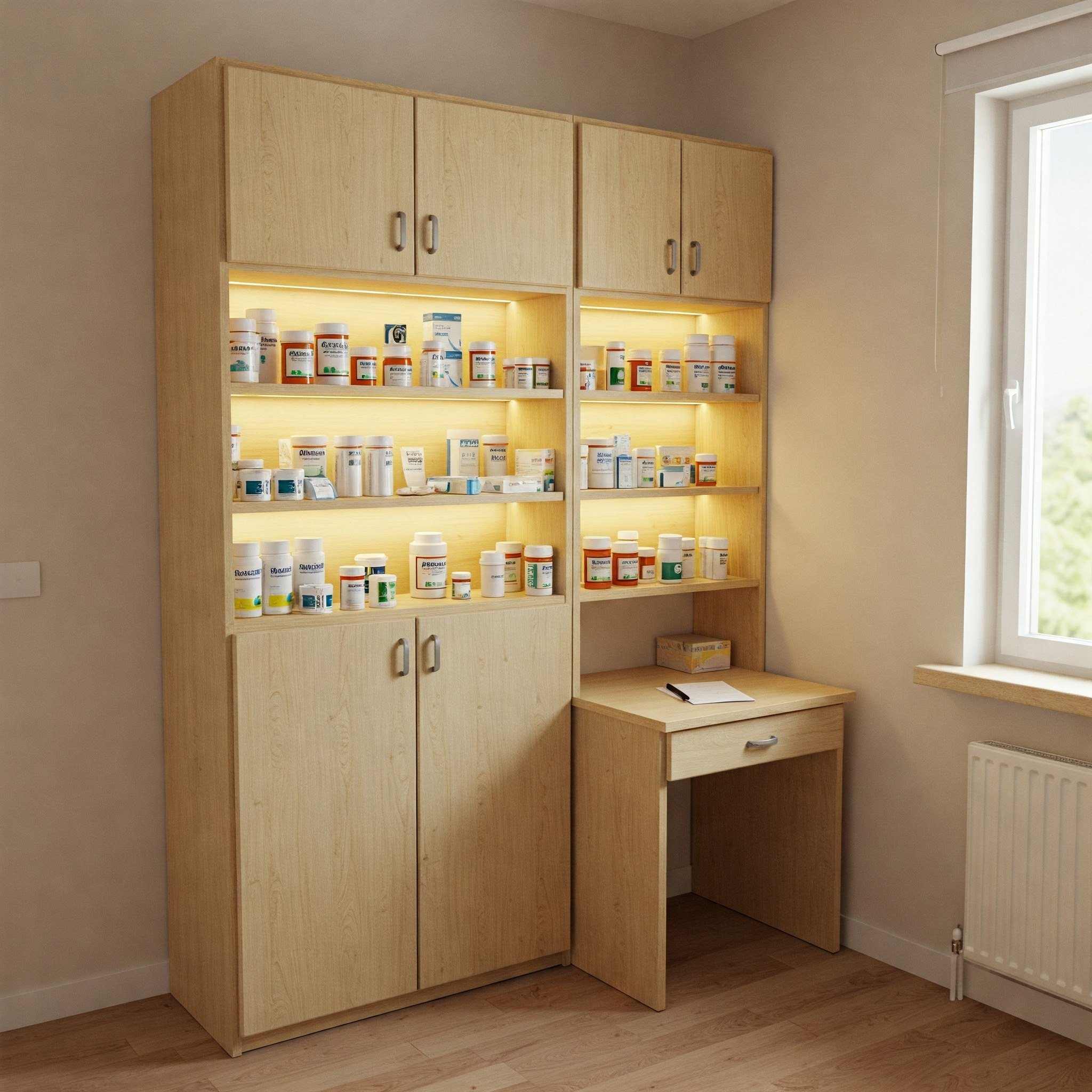
Once you've winnowed down your collection to only what you actually need and what's still good, it's time to get strategic about grouping. Think about creating categories that make sense for how you actually use these products. Common categories might include pain relievers, cold and flu medications, first aid supplies, digestive aids, topical treatments, and prescription medications. Within each category, you might want to further organize by frequency of use. The things you reach for most often should be the easiest to access. For instance, if someone in your household takes a daily medication, that should be front and center, not buried behind the calamine lotion you use once a year. Some folks find it helpful to create subcategories too. Your first aid section might include separate zones for bandages, antiseptics, and wraps. The key here is creating a system that feels intuitive to you and your family members. After all, what's the point of organizing if nobody can find anything? Consider also grouping items by family member if multiple people have specific medications they take regularly.
Invest in Smart Storage Solutions
Here's where you can get a bit creative and really customize your space. Storage containers and organizers can be absolute game-changers when learning How to Organize a Medicine Cabinet: Simple Steps to Try. Consider using small bins, drawer dividers, or turntables to maximize your cabinet's potential. Lazy Susans work wonderfully for deeper cabinets, allowing you to spin and access items in the back without having to move everything in front. Clear plastic bins are fantastic because you can see what's inside at a glance. Label everything clearly too. You might think you'll remember what's in each container, but trust me, labels save time and confusion, especially during stressful moments. For families with small children, consider designating the highest shelves for potentially dangerous items like prescription medications or anything that could be harmful if ingested. Some people prefer using over-the-door organizers, which are perfect for homes where cabinet space is limited. Magnetic strips can hold metal tweezers and scissors. Small baskets can corral loose items like individual bandages. The possibilities are honestly endless, and you don't need to spend a fortune either. Many effective organizers can be found at dollar stores or repurposed from other areas of your home.
Implement a Logical Placement System
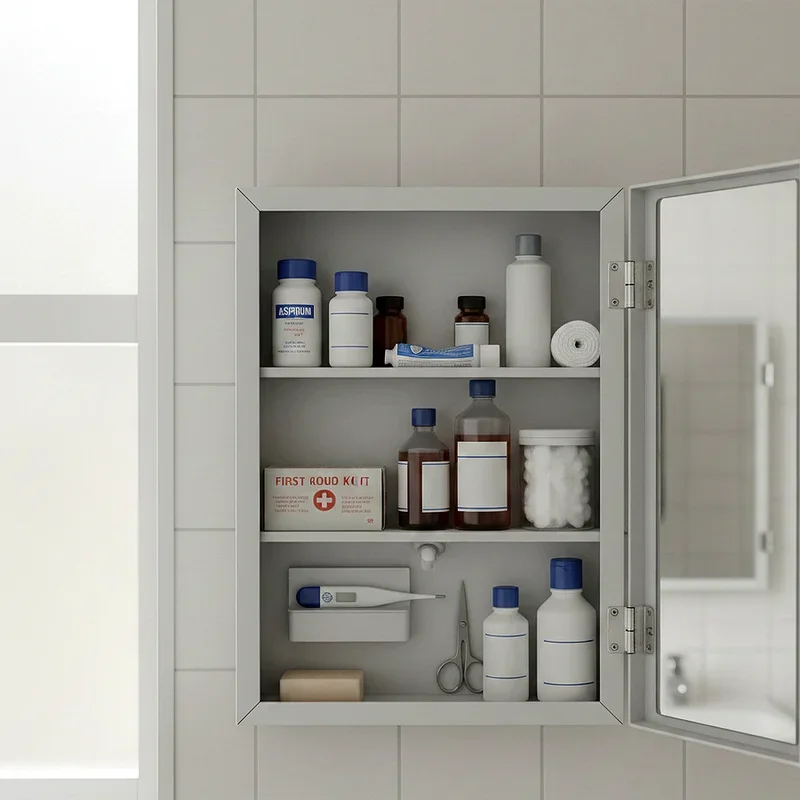
Now that you've got your storage solutions ready, let's talk about where everything should actually live. The general rule of thumb? Place frequently used items at eye level and within easy reach. Things you use occasionally can go on higher or lower shelves. Heavy items should stay on lower shelves to prevent accidents if they fall. Keep medications that look similar far apart from each other to avoid mix-ups. This is especially important if you have medications with similar packaging or names. Temperature and humidity matter too, believe it or not. Despite its name, the medicine cabinet in your bathroom might not actually be the ideal spot for all medications. Bathrooms tend to be warm and humid, which can degrade certain medications faster. Consider whether a cool, dry closet might be better for some items. However, for practical purposes, keeping everyday items like pain relievers, first aid supplies, and frequently used topicals in the bathroom makes sense. Just be mindful of each medication's storage requirements, which you'll find on the label. Reading those instructions can really make a difference in medication effectiveness.
Create a Family-Friendly Organization System
If you're organizing for a household with multiple people, communication becomes essential when implementing How to Organize a Medicine Cabinet: Simple Steps to Try. Make sure everyone in your family knows the new system and where things belong. Consider creating a simple diagram or list that shows which categories go where. This is particularly helpful for teenagers or roommates who might be using the cabinet. For families with young children, childproofing is non-negotiable. Install safety latches if your cabinet doesn't already lock. Better yet, store all potentially dangerous medications and products completely out of children's reach, perhaps in a locked box on a high shelf or in a completely different location. Some parents find it helpful to keep children's medications separate from adult medications to avoid confusion during late-night dosing situations. You might designate one shelf or bin specifically for pediatric items. Whatever system you choose, consistency is key. The best organizational system in the world won't help if people don't actually use it. Make it easy enough that putting things back becomes second nature for everyone.
Label Everything for Maximum Clarity
Seriously, don't skip this step. Labels might seem like overkill, but they're incredibly valuable for maintaining your newly organized space. You can go fancy with a label maker, or keep it simple with masking tape and a permanent marker. Either way works perfectly fine. Label your storage bins with their categories: First Aid, Pain Relief, Allergy Medications, and so on. For prescription medications, consider adding the family member's name and what the medication treats. This is especially helpful in households where multiple people take similar-looking medications. Some people also like to write the expiration date directly on containers or use a color-coding system. For example, you might put a red dot on items expiring within three months. Labels serve another important purpose too. They make it easy for someone else to help you in an emergency. If you're not feeling well and need someone to grab something for you, clear labels mean they won't have to ask a million questions or bring you five wrong items before finding the right one.
Maintain Your Organized System Regularly
Okay, so you've done all this work to get your medicine cabinet in tip-top shape. Now what? The secret to long-term success is maintenance, plain and simple. Set a reminder on your phone or calendar to review your medicine cabinet every three to six months. During these check-ins, look for expired items, restock what's running low, and reorganize anything that's gotten out of place. Life happens, and things inevitably get messy again. That's totally normal. The difference is that once you have a system in place, getting back to organized takes minutes instead of hours. After each use, make it a habit to return items to their designated spots immediately. This one small action prevents the gradual slide back into chaos. If you notice that certain items never seem to stay in their assigned places, that might be a sign that your system needs tweaking. Don't be afraid to adjust your organization method as your needs change. Maybe someone developed a new health condition that requires daily medication, or perhaps you've discovered a product you use way more often than expected. Your system should evolve with you and adapt to your family's changing healthcare needs.
Stock Your Cabinet with Essential Items
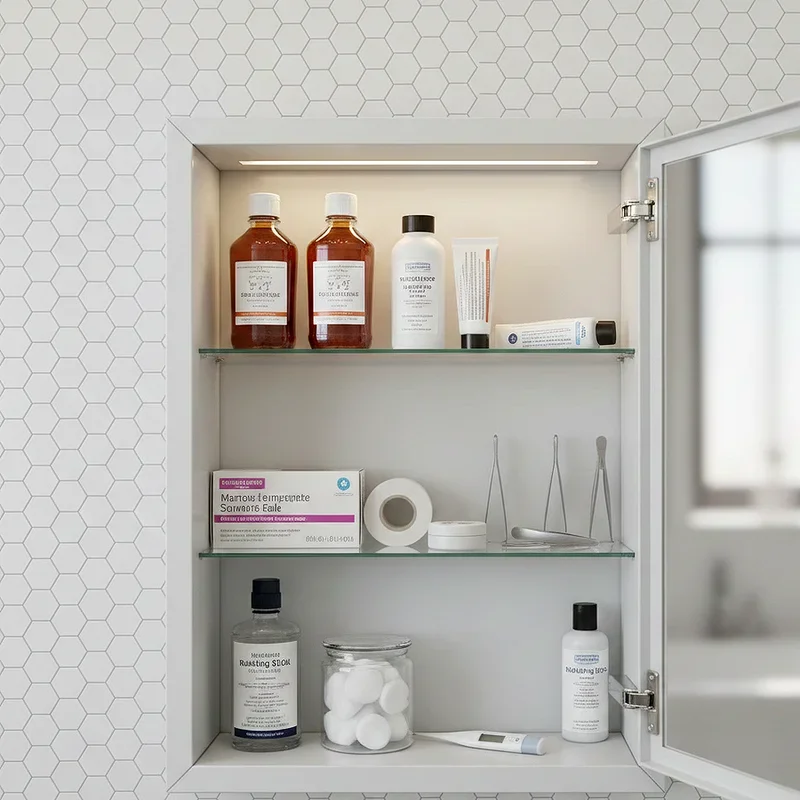
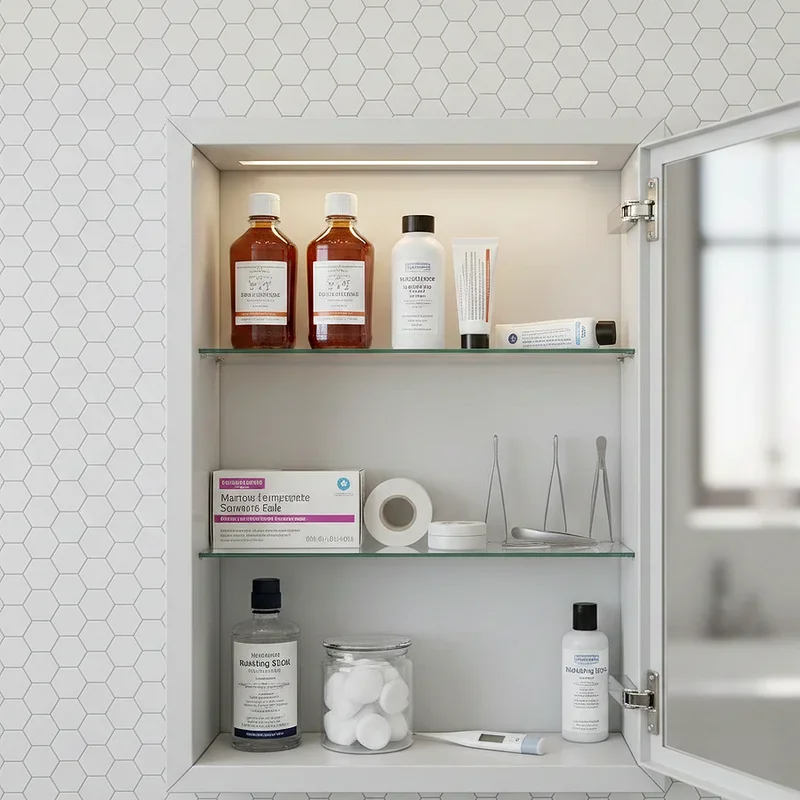
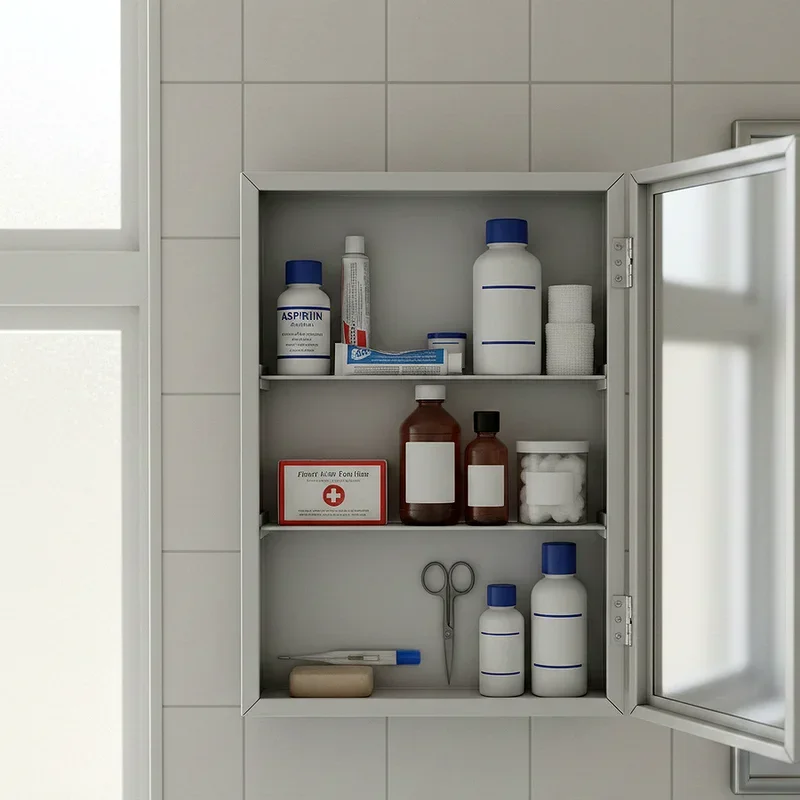
While we're on the topic of organization, let's discuss what should actually be in a well-stocked medicine cabinet. Obviously, everyone's needs differ based on their health conditions and family situation, but certain basics are pretty universal. Pain relievers like acetaminophen and ibuprofen are must-haves. Antihistamines for allergic reactions, both drowsy and non-drowsy varieties, come in handy more often than you'd think. A good assortment of bandages in various sizes, along with antibiotic ointment, gauze, and medical tape, covers most minor injuries. Thermometer? Absolutely essential, especially if you have kids. Tweezers and small scissors are surprisingly useful for removing splinters and cutting bandages or tape. Hydrocortisone cream for bug bites and rashes, antacids for digestive issues, and a basic cold medicine can save you from late-night pharmacy runs. Don't forget about more specific items your household needs. If anyone has asthma, inhalers should be easily accessible. The goal isn't to turn your bathroom into a pharmacy, but rather to have the essentials ready when you need them most.
Special Considerations for Prescription Medications
Prescription medications deserve special attention in How to Organize a Medicine Cabinet: Simple Steps to Try. These powerful medications require extra care in storage and handling. Always keep prescriptions in their original containers with the pharmacy labels intact. Those labels contain crucial information about dosing, prescribing doctor, and important warnings. If you take multiple prescriptions, especially if they're taken at different times of day, consider using a pill organizer. These handy containers help prevent missed doses and accidental double-dosing. Fill them once a week, and you'll always know whether you've taken your medication for the day. For controlled substances or medications that could be dangerous if misused, extra security measures make sense. A small lockbox within your medicine cabinet or stored separately provides an additional layer of protection.
Conclusion
Getting your medicine cabinet organized doesn't have to be a monumental task. By following these straightforward steps, you can create a system that keeps your medications safe, accessible, and easy to manage. Remember to regularly maintain your organized space, checking for expired items and restocking essentials as needed. A well-organized medicine cabinet saves time during emergencies, prevents medication errors, and gives you peace of mind knowing everything is exactly where it should be. Whether you tackle this project over a weekend or break it into smaller tasks, the effort you invest now will pay dividends in convenience and safety for years to come.
Read next: 15 Medicine Storage Ideas for Organized Cabinets
Frequently Asked Questions
Q1: How often should I clean out my medicine cabinet?
A: Review your cabinet every three to six months to check expiration dates and reorganize.
Q2: Where should I store medications that require cool temperatures?
A: Store temperature-sensitive medications in a cool, dry closet away from bathroom heat and humidity.
Q3: What should I do with expired medications?
A: Take expired medications to pharmacy take-back programs or dispose in sealed trash bags safely.
Q4: Are bathroom medicine cabinets actually good for storing medications?
A: Bathrooms work for some items, but heat and humidity can degrade certain medications faster.
Q5: How can I childproof my medicine cabinet effectively?
A: Install safety latches and store dangerous medications in locked boxes on high, unreachable shelves.
Stay up to date with our latest ideas!