15 PPE Storage Ideas for Safe and Organized Workspaces
Discover 15 smart PPE storage ideas to keep your workspace safe, tidy, and OSHA-ready. Practical tips for every budget and space.
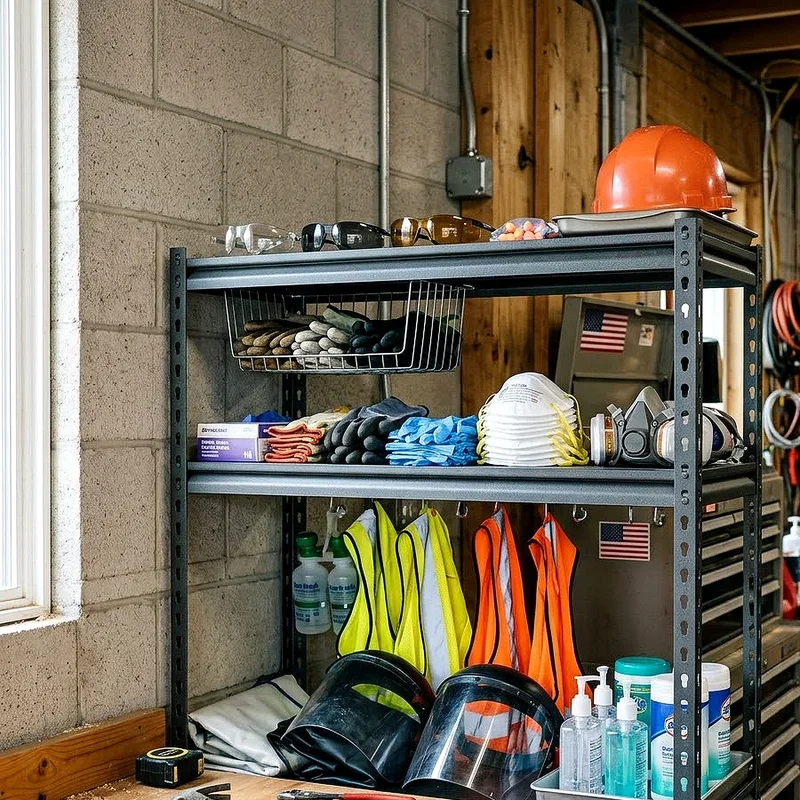
Have you ever walked into a workplace where hard hats sit on dusty shelves, gloves pile up in random drawers, and safety goggles dangle from hooks like forgotten Christmas ornaments? It happens more often than you think, and it creates real hazards every single day. Proper PPE storage is not just about tidiness or appearances. It protects equipment from damage, keeps workers safe, and ensures compliance with regulations that matter. Think of your PPE storage system as the backbone of your entire safety culture. When gear is easy to find, clean, and ready to use, people actually wear it consistently. This article walks you through 15 creative, practical, and budget-friendly PPE storage ideas that transform chaotic workspaces into models of safety and organization that everyone appreciates.
1. Dedicated PPE Storage Cabinets
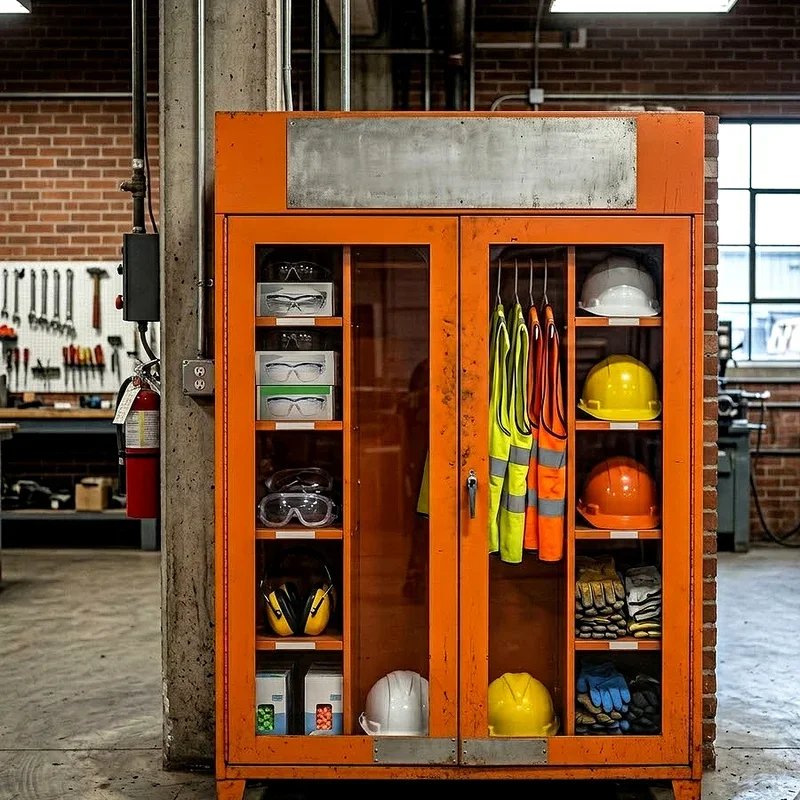
A dedicated PPE cabinet acts like a fortress for your safety gear, standing guard against the chaos of a busy workplace. These cabinets keep helmets, goggles, respirators, and gloves locked away from dust, moisture, and accidental damage that degrades their protective qualities over time. You can find models with adjustable shelves, so each piece of equipment gets its own designated spot without wasting vertical space. Place them near workstations or entry points where workers gear up every single day before stepping onto the floor. Steel cabinets with ventilation holes work best because they allow airflow while keeping contaminants out. Even a repurposed metal locker does the job beautifully if you label each shelf clearly and maintain consistent organization habits among your team.
2. Wall-Mounted Pegboard Systems
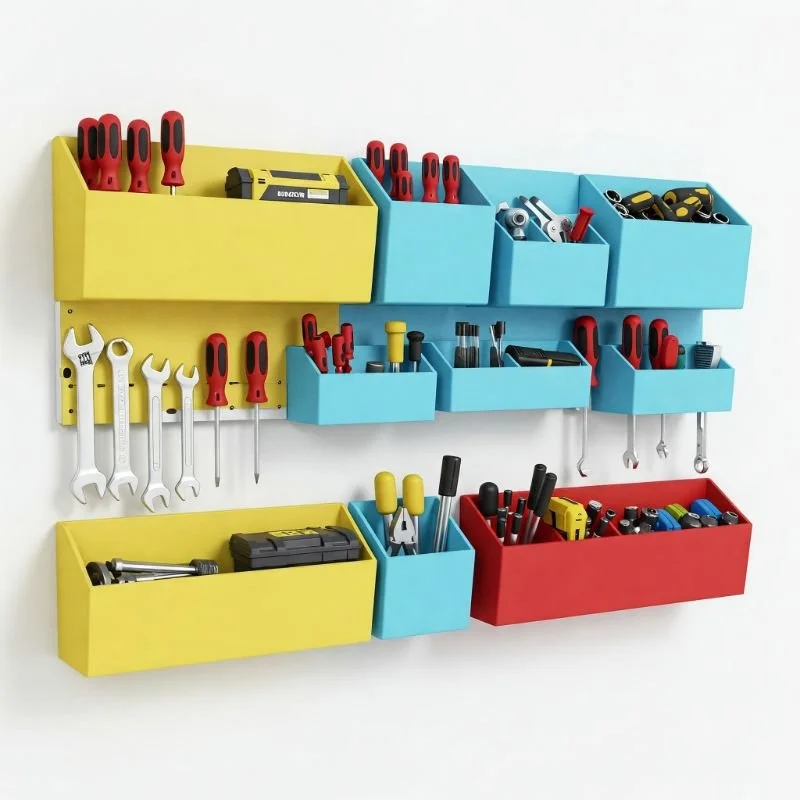
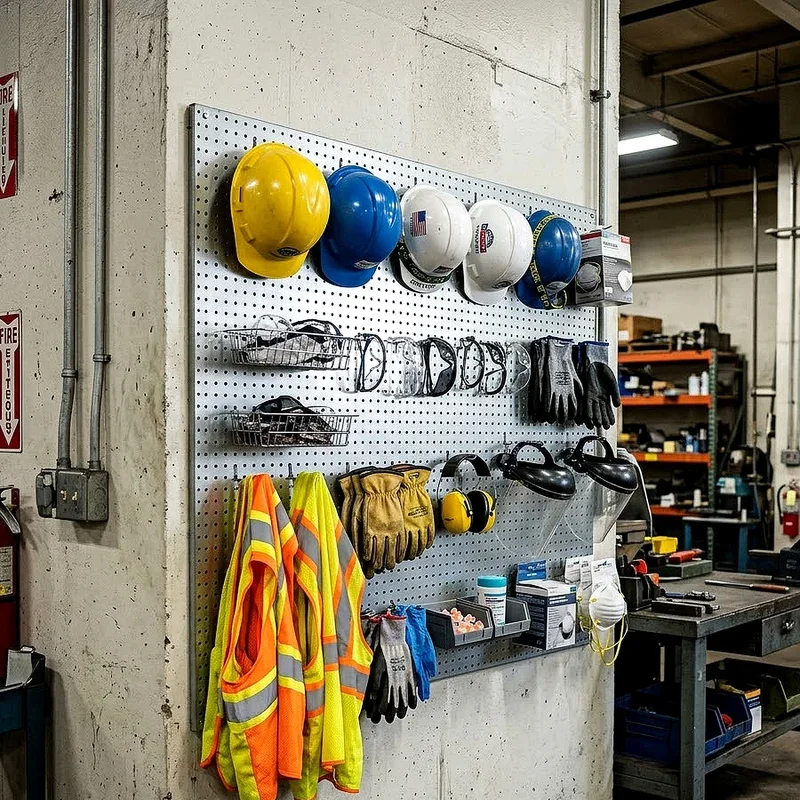
Pegboards are the Swiss Army knives of storage solutions, and they deserve a spot in every safety-conscious workplace. You mount one on a wall, add hooks and baskets, and suddenly every pair of safety glasses, earmuff set, and face shield has a proper home. The real beauty of a pegboard lies in its remarkable flexibility. You rearrange hooks whenever your inventory changes without drilling new holes or buying entirely new furniture to accommodate shifting needs. Pegboards also keep PPE visible at all times, which serves as a constant visual reminder for workers to grab their gear before heading to the floor. Install them at eye level near doorways or break rooms where foot traffic flows naturally. They cost very little, install in under an hour, and transform blank walls into functional safety stations.
3. Mobile PPE Carts for Flexible Access
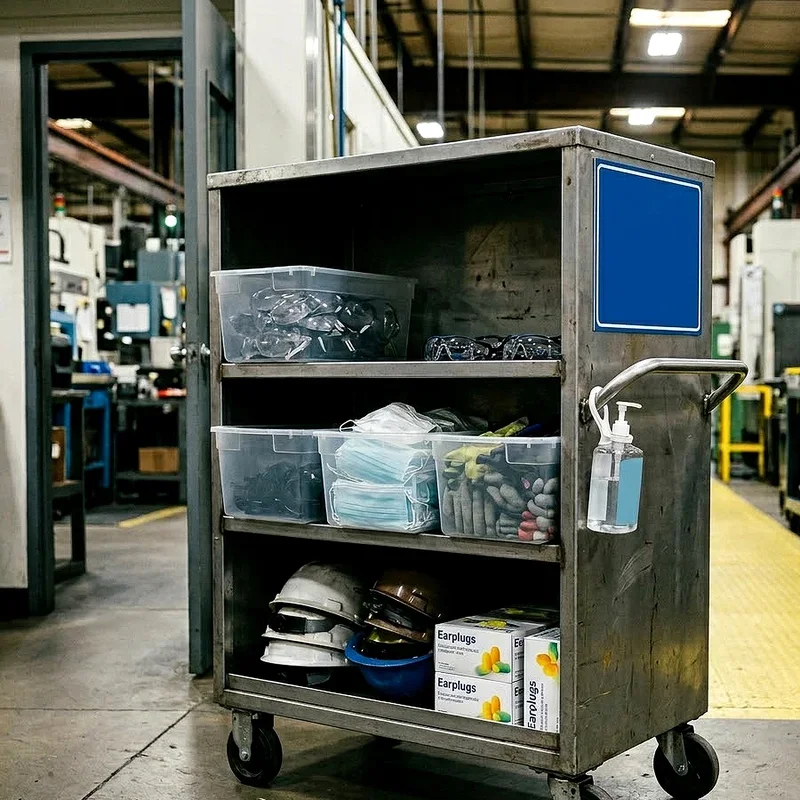
What happens when your crew works in different areas throughout the day and the hazards keep shifting? You bring the PPE directly to them wherever they happen to be working. Mobile carts on heavy-duty casters roll anywhere you need them, from warehouse floors to outdoor construction zones and everything in between. Load them up with compartments for different gear types, and your team grabs what they need without walking across the entire facility just to suit up. These carts work especially well in environments where workstations shift regularly or where temporary projects pop up without warning. Look for carts with locking wheels so they stay firmly put once you position them correctly. A well-stocked mobile cart eliminates the excuse that gear was simply too far away to bother retrieving.
4. Labeled Bins and Color-Coded Containers
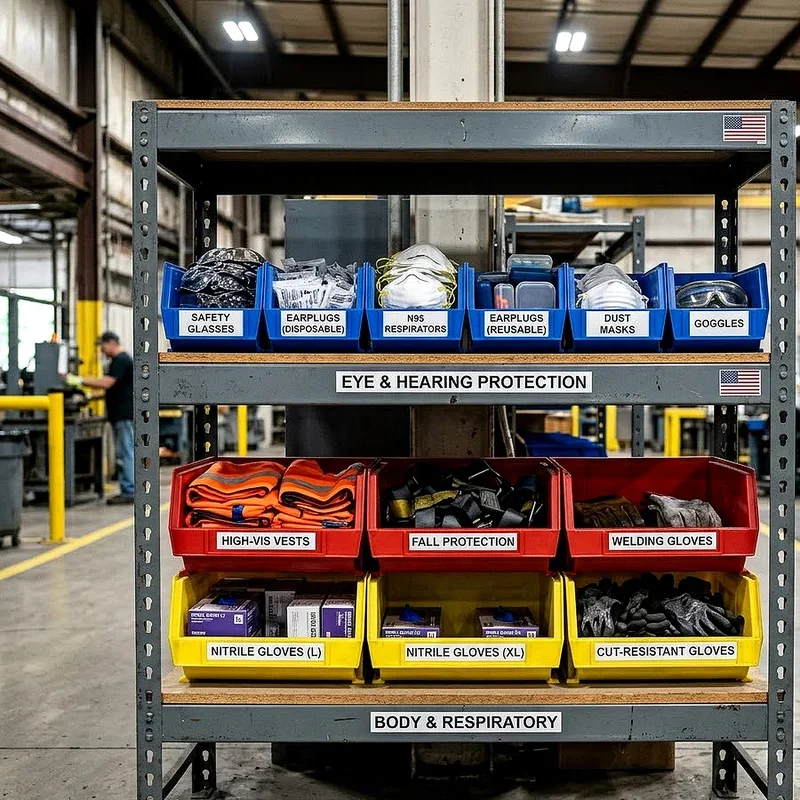
Color coding is not just for kindergarten classrooms or craft projects. It is a powerhouse strategy for PPE organization in any professional setting. Assign a color to each type of equipment: red for respirators, blue for gloves, green for eye protection, and yellow for ear protection. Workers spot what they need in mere seconds without reading a single label or opening any lids. Pair colors with clear, bold labels for maximum efficiency, especially in multilingual workplaces where language barriers can slow people down significantly. Stackable bins save precious floor space and keep storage areas looking clean and professional. This system scales beautifully whether you manage a small workshop with a handful of people or a sprawling industrial facility with hundreds of employees clocking in every morning.
5. Over-the-Door Hanging Organizers
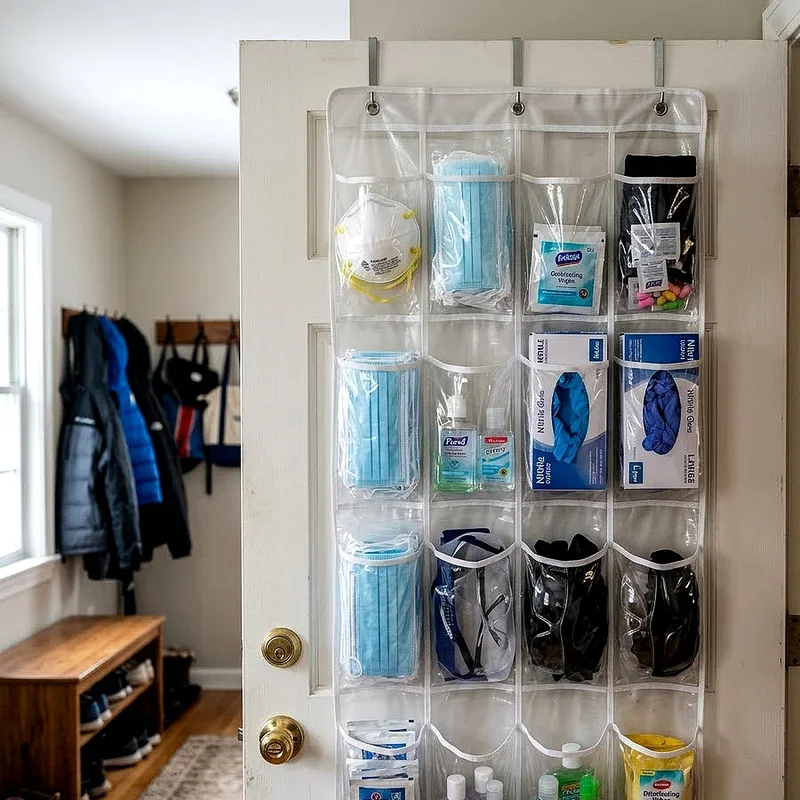
Here is a storage idea that most people overlook entirely, and it costs almost nothing to implement today. Those fabric or plastic hanging organizers designed for shoes work brilliantly for lighter PPE items that need quick access throughout the day. Hang one on the back of a supply closet door, and you instantly gain a dozen clear pockets for gloves, earplugs, safety glasses, and disposable dust masks. Each pocket holds a different size or type, making selection quick and completely intuitive even for new employees. They install with a simple hook, require zero tools, and take advantage of door space you were already wasting behind closed panels. When pockets start running low, you see it immediately and restock before anyone goes without proper protection on the job site.
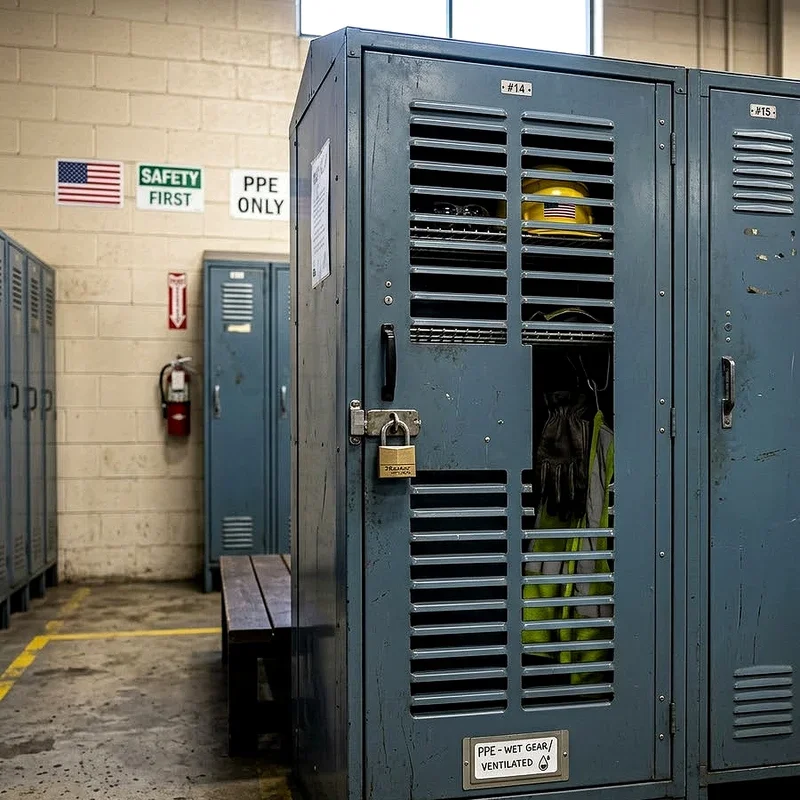
6. Ventilated Lockers for Moisture Control
Damp PPE is damaged PPE, and nobody wants to strap on a soggy respirator at the start of a long shift. Moisture breeds bacteria, weakens materials, and makes wearing gear deeply unpleasant, which means workers avoid using it altogether. Ventilated lockers solve this persistent problem by circulating air through perforated doors and side panels that promote natural drying. Workers store sweaty hard hats, used respirators, and damp gloves inside, and the steady airflow dries everything thoroughly between shifts. These lockers work especially well in humid climates, near water operations, or in facilities where workers sweat heavily during intense physical labor. Assign each worker their own personal locker to prevent cross-contamination and build individual accountability for gear maintenance and hygiene standards.
7. Stackable Storage Crates
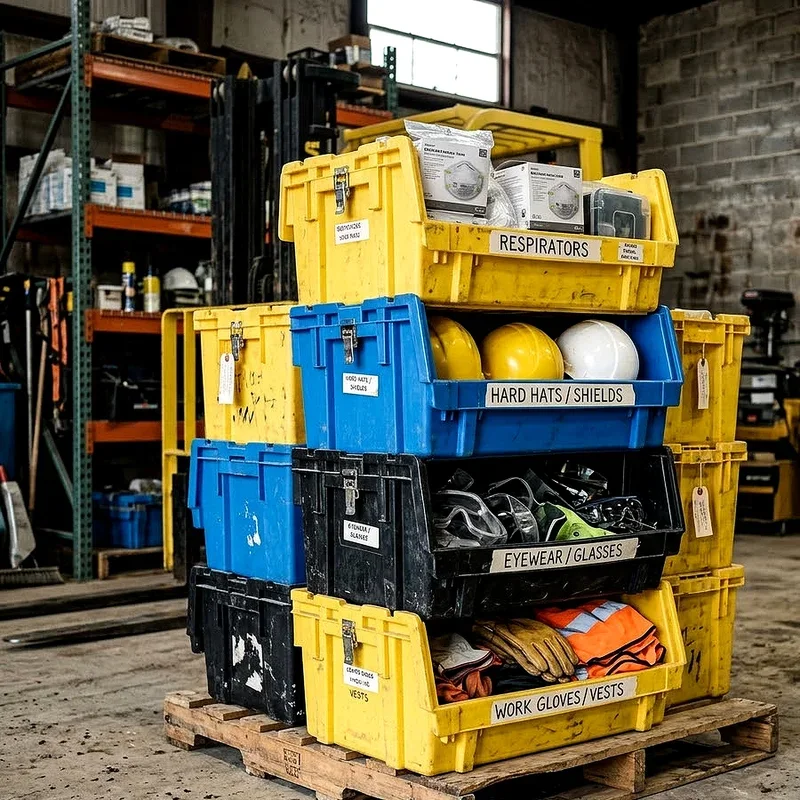
Sometimes the simplest solutions win the day, and stackable crates prove that point perfectly every single time. These crates take up minimal floor space while holding a surprising volume of PPE gear that would otherwise sprawl across countertops and shelves. Use them in storage rooms, on existing shelving units, or directly on the shop floor wherever workers need quick access. Crates with interlocking lids stay secure during transport and keep airborne dust away from clean equipment resting inside. Label each crate by contents, department, or project name, and you create a navigation system anyone can follow on their very first day. Heavy-duty plastic crates withstand drops, resist chemical spills, and clean up with a quick hose-down, making them ridiculously practical for workplaces that value function above all else.
8. Custom Shelving Units Near Entry Points
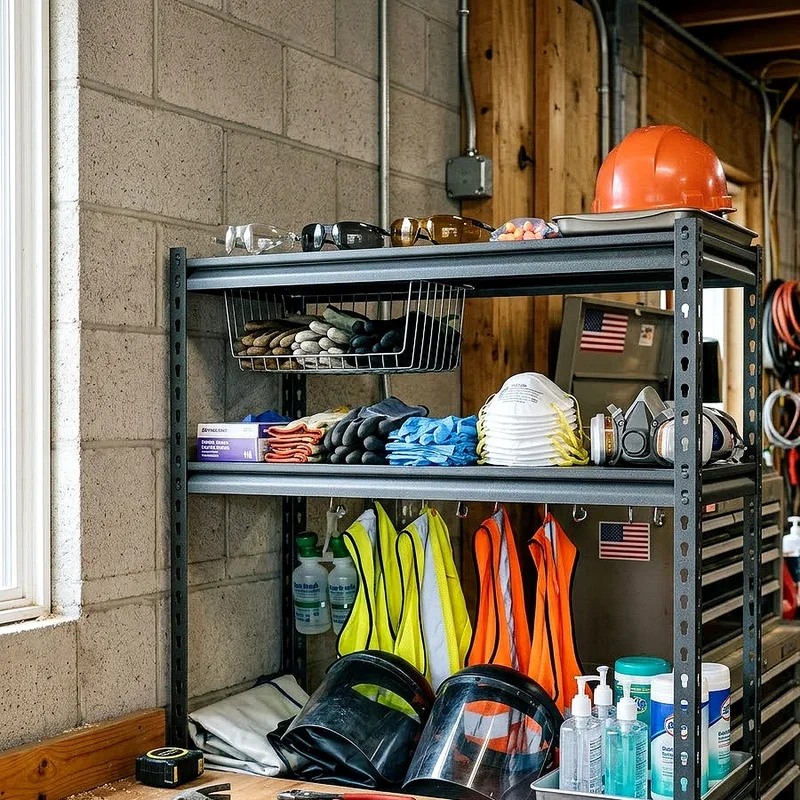
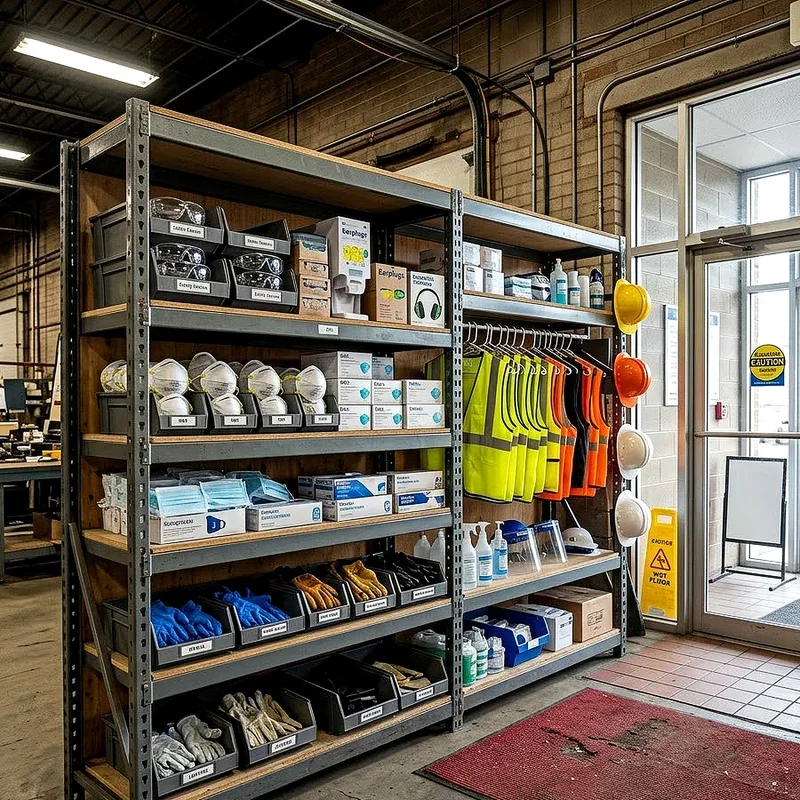
Location matters more than most people ever realize when it comes to PPE compliance rates and daily safety habits. Place your PPE storage right where workers enter the hazard zone, and watch compliance numbers skyrocket almost immediately. Custom shelving units built near doorways, stairwells, or gating areas put safety gear directly in the natural path of travel that every worker follows. Workers literally cannot walk past without seeing the equipment they need to grab before proceeding. Adjust shelf heights to accommodate different gear sizes, from tall boot compartments at the bottom to shallow goggle trays sitting at the top. Anchor shelves firmly to walls for stability and apply anti-slip liners to keep items from sliding off during busy, hectic shift changes when everyone rushes through.
9. Transparent Storage Boxes for Quick Identification
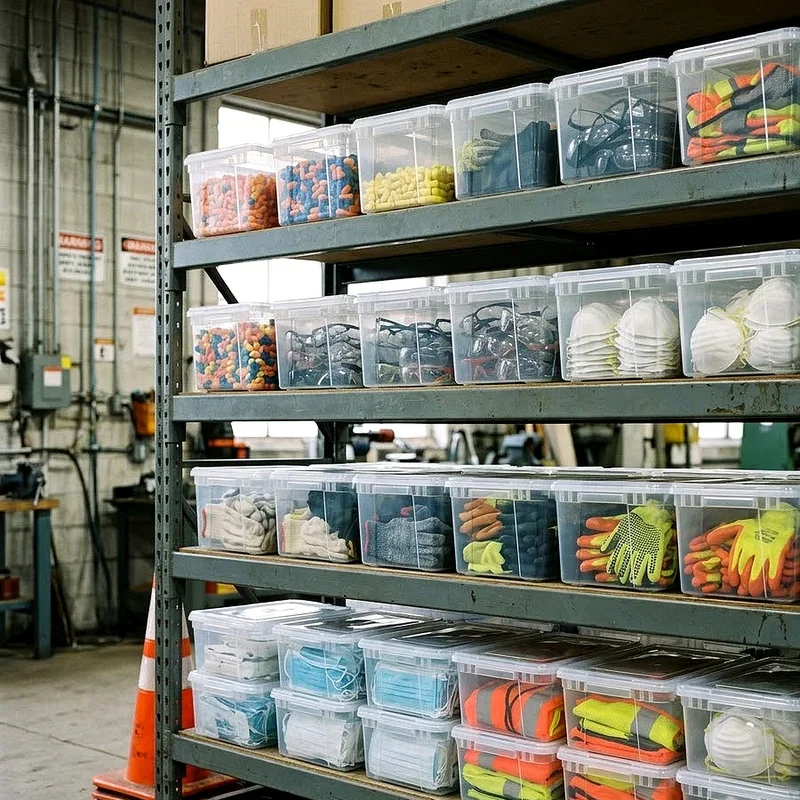
Clear boxes eliminate the guessing game entirely and take the frustration out of finding the right piece of gear at busy moments. When you see exactly what sits inside without opening a single lid, restocking becomes proactive instead of reactive and last-minute. Transparent storage boxes work wonderfully for smaller consumable items like disposable gloves, earplugs, lens wipes, and individually wrapped cleaning pads that disappear quickly and need constant replenishment to stay available. Stack them neatly on shelves, slide them into cubbies, or line them up on countertops near active workstations where people gear up frequently. Workers grab what they need without rummaging through opaque containers or dumping entire bins out searching for the right size. These boxes also help supervisors monitor inventory visually at a quick glance during daily walkthrough inspections.
10. PPE Vending Machines for High-Traffic Areas
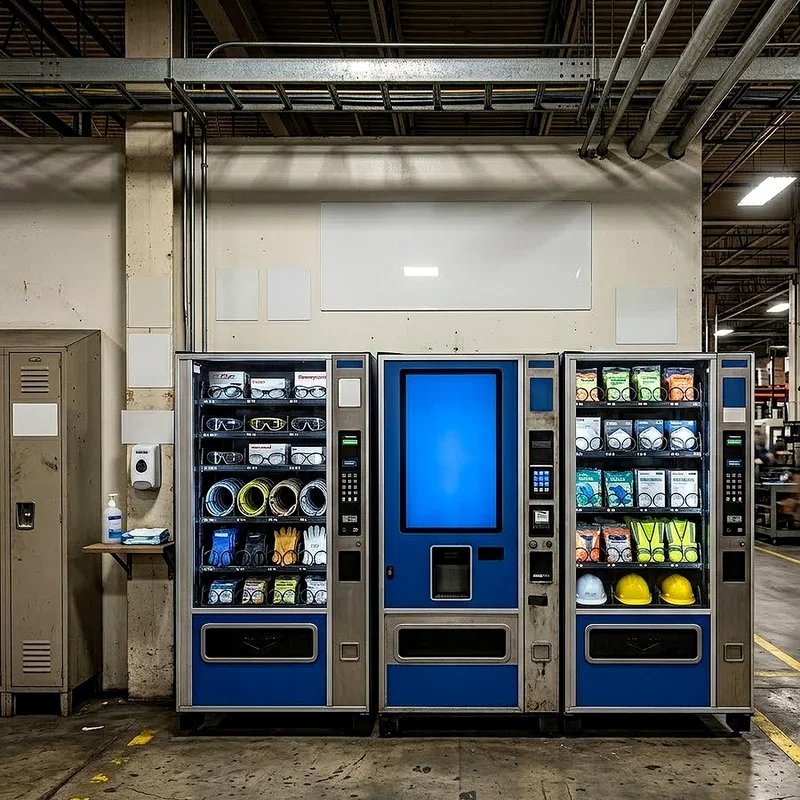
Imagine a vending machine, but instead of chips and candy bars, it dispenses safety gloves, earplugs, and protective eyewear on demand. PPE vending machines track who takes what, when they take it, and how much gets consumed across every department in your facility. This usage data is pure gold for inventory management, budgeting, and cost control discussions with leadership. Workers simply badge in, select their item from the touchscreen, and walk away fully equipped in under thirty seconds flat. These machines dramatically reduce waste because people take only what they genuinely need rather than grabbing handfuls from an unmonitored open bin. Place them strategically in break rooms, near time clocks, or at main building entrances where traffic flows heaviest during shift transitions throughout the day.
11. Magnetic Strips for Metal PPE Items
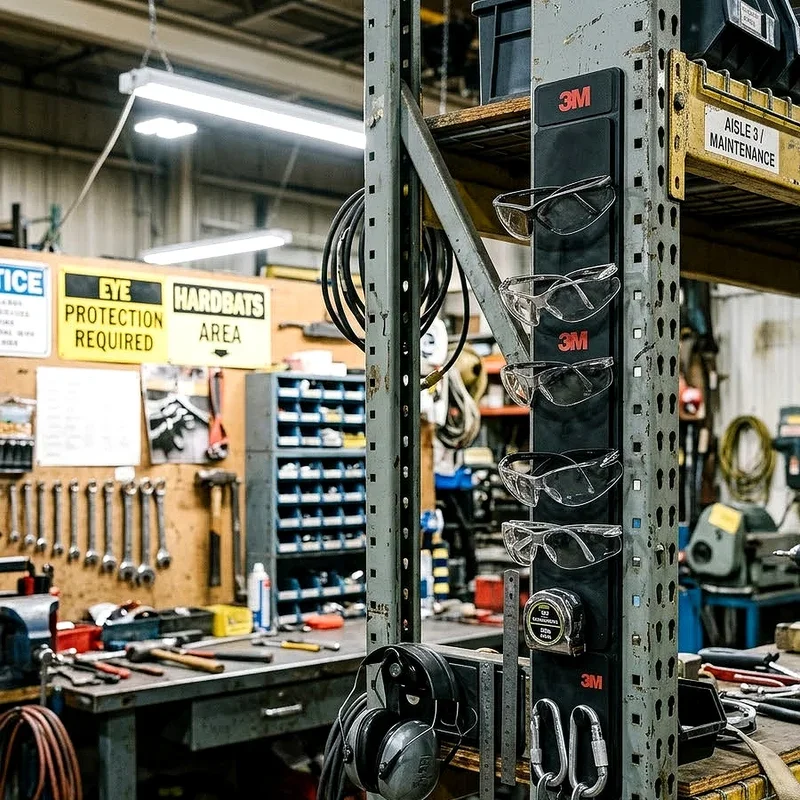
Magnetic strips are not just for kitchen knives and tool racks anymore. Mount a strong magnetic strip along a wall or inside a cabinet door, and metal items like safety scissors, clip-on headlamp lights, metal-framed safety goggles, and carabiners snap right into place securely. Everything stays visible, instantly accessible, and neatly organized without consuming any valuable shelf or drawer space in your already crowded storage area. Installation takes just minutes with basic screws or strong industrial adhesive that holds firm under daily use. These strips work best in tool rooms, maintenance shops, and confined space entry points where workers need lightning-quick access to metal accessories alongside their primary PPE gear. The magnets hold items firmly during vibrations and bumps but release them smoothly with a simple pull.
12. Pull-Out Drawer Systems Under Workbenches
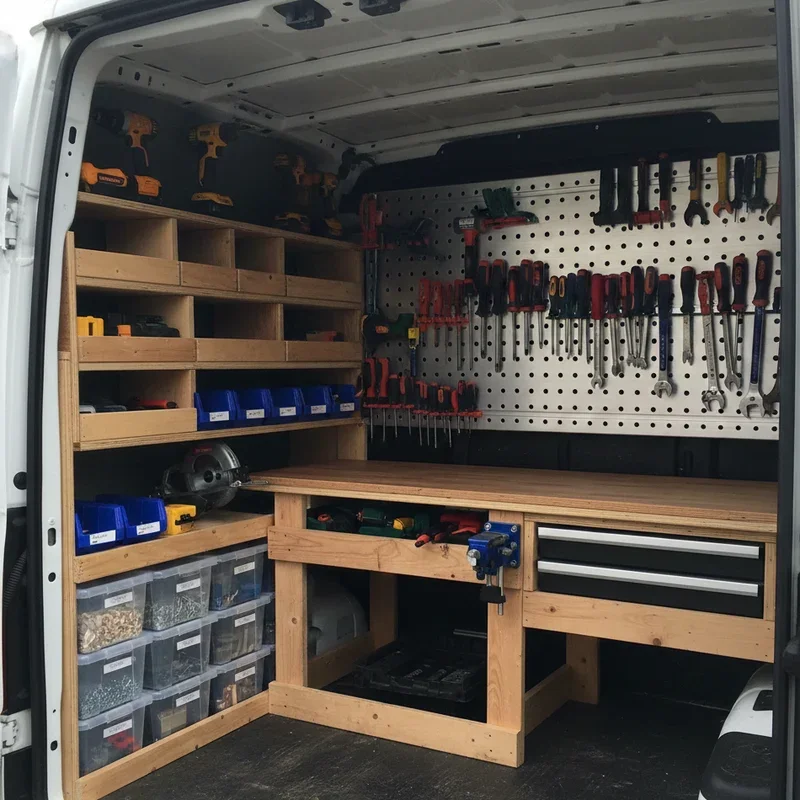
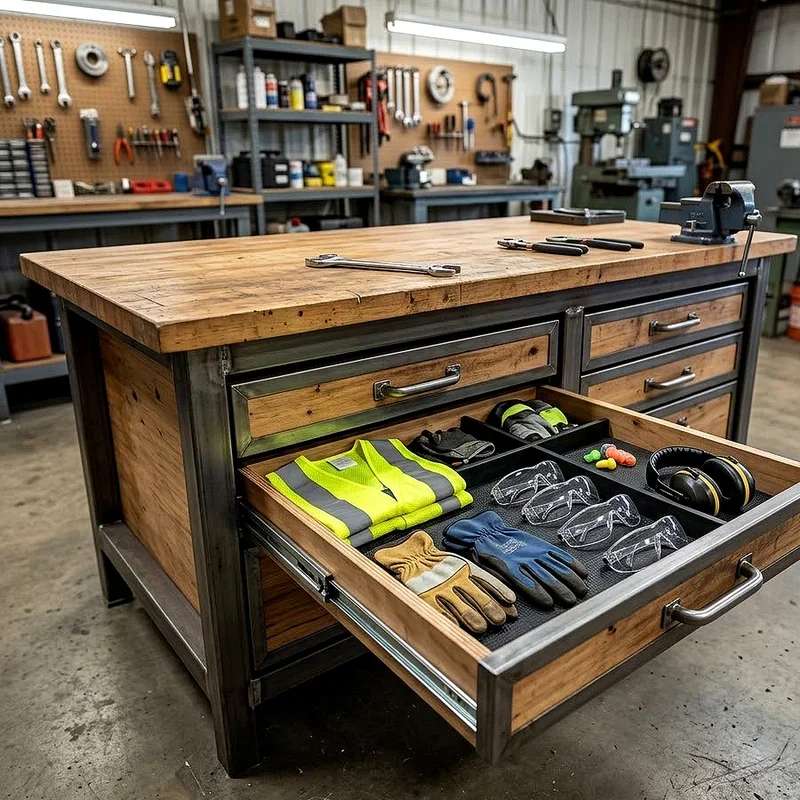
Dead space hides everywhere in a busy workshop, and the area under workbenches is prime real estate that most people completely ignore. Install pull-out drawer systems beneath existing benches, and you create hidden PPE storage that keeps essential gear within arm's reach during active tasks. Shallow drawers work perfectly for flat items like replacement face shields, spare welding lenses, and packaged glove sets. Deeper drawers handle bulkier items such as knee pads, respirator kits, and hearing protection cases without any trouble. Soft-close mechanisms prevent the slamming that could damage delicate lenses or calibrated equipment stored inside. This smart approach keeps workbench surfaces clear, floors completely uncluttered, and safety gear tucked safely away from airborne contaminants floating around the shop all day long.
13. Ceiling-Mounted Retractable Storage
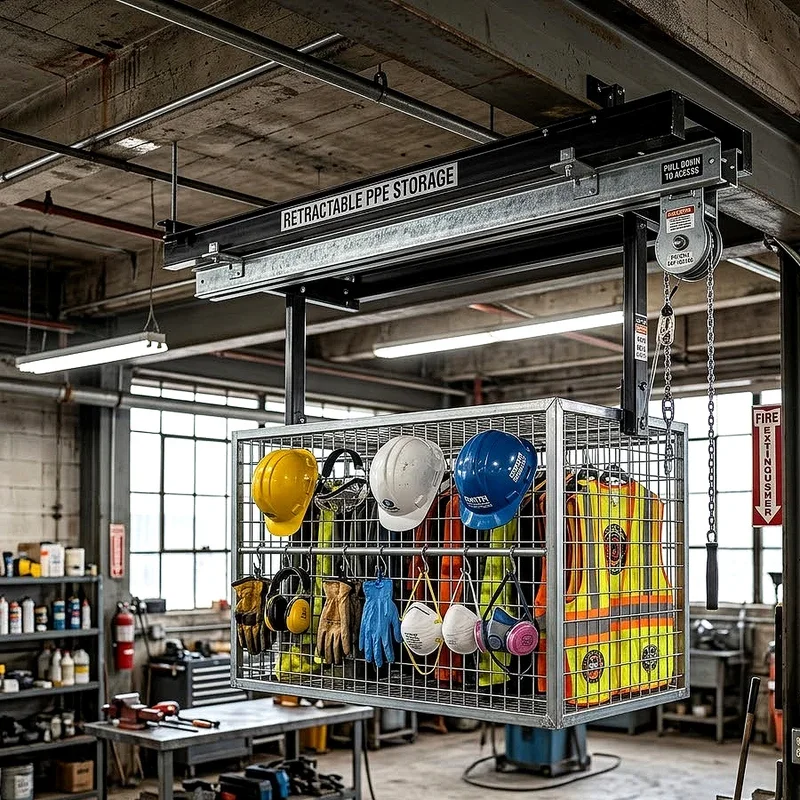
When floor space runs completely out, the smartest move is to look up and reclaim the vertical dimension above your heads. Ceiling-mounted retractable systems use pulleys or motorized mechanisms to raise and lower sturdy storage platforms on demand whenever you need access. Store bulk PPE supplies overhead and bring them down only during scheduled restocking sessions or when workers need specific gear that stays in reserve. These systems truly shine in garages, fire stations, and maintenance bays where every single square foot of floor space already serves a critical purpose. Safety cables prevent accidental drops, and locking mechanisms hold platforms steady at comfortable working height during active access periods. You reclaim valuable ground-level real estate while keeping backup supplies clean, completely dry, and fully out of the way.
14. Portable PPE Kits for Field Workers
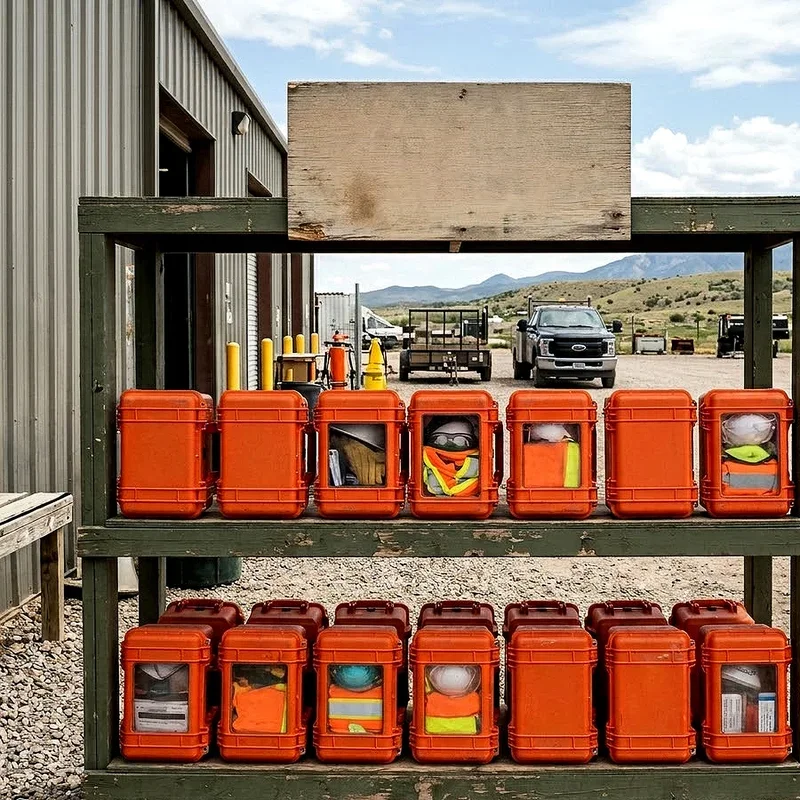
Field workers face a unique and ongoing challenge because their workplace changes daily, sometimes hourly, with no permanent storage options nearby. Portable PPE kits solve this reality by bundling essential safety gear into rugged, weather-resistant hard cases or specially designed backpacks built to handle rough conditions. Each kit contains the basics that every field worker needs: hard hat, work gloves, safety glasses, high-visibility vest, and appropriate hearing protection for the environment. Customize kits by trade or hazard type so electricians, welders, and general laborers each carry exactly the protection their specific job demands. Durable cases with custom foam inserts protect delicate items during bumpy transit in trucks, ATVs, or on foot across rough terrain. Workers inspect their kits at the start of each shift and report missing items immediately.
15. Digital Inventory Tracking with Smart Storage
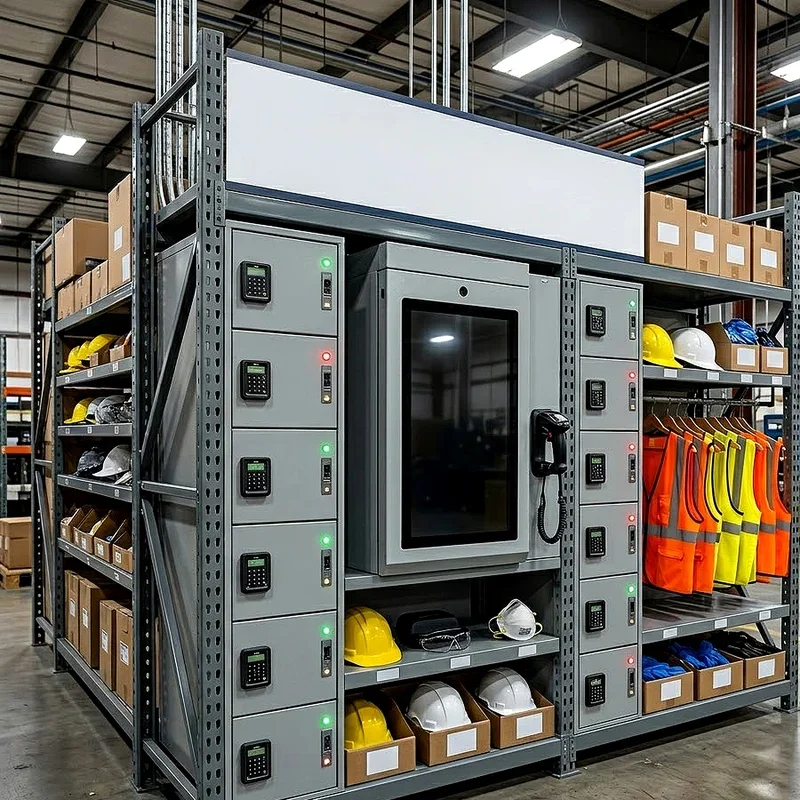
Technology takes PPE storage from simply organized to genuinely intelligent, and the results speak for themselves in reduced costs and better compliance rates. Smart storage cabinets equipped with RFID sensors, barcode scanners, or weight-based sensors track every single item automatically without any manual counting or paperwork from your team. When stock drops below a preset threshold, the system sends an automatic reorder alert directly to your purchasing team before supplies run critically low. You never run out of essential safety gear again, and you generate detailed usage reports that reveal consumption patterns, waste trends, and compliance gaps across your entire operation. Pair smart storage with mobile apps so supervisors can monitor real-time inventory levels from anywhere in the facility or even remotely from offsite locations.
Conclusion
Storing PPE properly is not glamorous work, but it makes an enormous difference in workplace safety and daily efficiency. You do not need a massive budget or a complete facility overhaul to get started. Pick two or three ideas from this list that fit your space, your team size, and your biggest pain points. Start small, stay consistent, and watch how quickly an organized PPE system changes your safety culture for the better. Your workers deserve gear that is clean, accessible, and ready to protect them every single day they show up.
Read next: How to Organize Tool Box for Easy Access and Storage
Frequently Asked Questions
Q1. What is the best way to store PPE at work?
A: Use labeled cabinets or bins near workstations for quick, organized, and clean access daily.
Q2. How often should stored PPE be inspected?
A: Inspect stored PPE at least monthly and replace any damaged or expired items promptly.
Q3. Can I store different PPE types together in one container?
A: Separate PPE types to prevent cross-contamination and ensure each item stays clean and functional.
Q4. Do PPE vending machines really reduce waste?
A: Yes, vending machines track usage per worker and significantly reduce overconsumption and hoarding behavior.
Q5. How do I keep PPE dry in humid environments?
A: Use ventilated lockers or cabinets with airflow to prevent moisture damage and bacterial growth.
Stay up to date with our latest ideas!